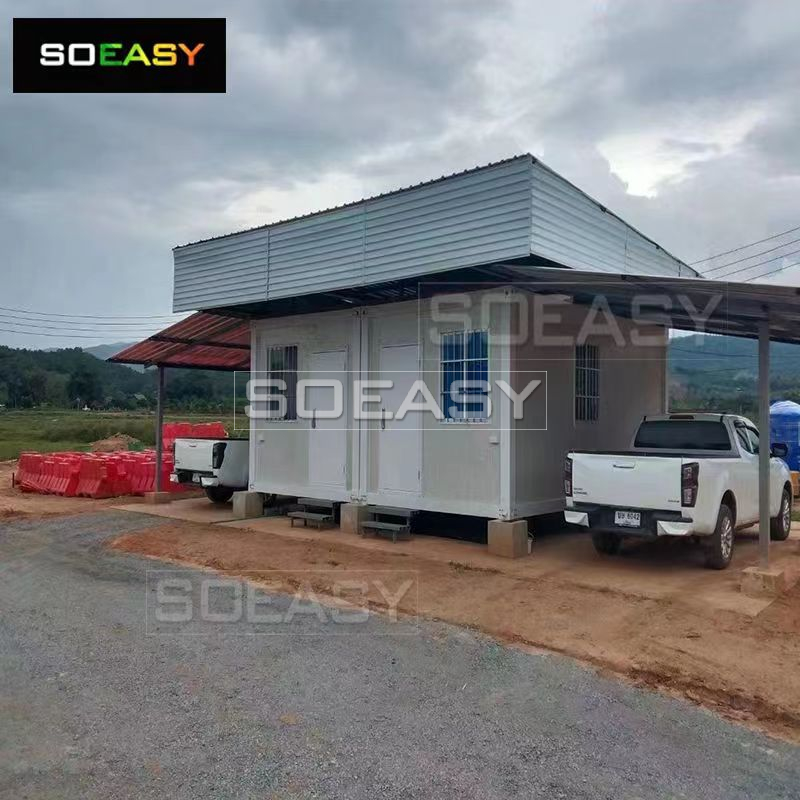
Investing your capital into a steel structure makes many buyers hesitate. Steel remains naturally susceptible to harsh environmental elements. Internet myths often polarize this housing conversation. Some influencers claim these structures act as indestructible bunkers. Others warn they will quickly succumb to aggressive rust. The actual engineering reality sits squarely between these extreme claims. We wrote this article to provide an evidence-based evaluation of durability. We will explore specific structural risks and exact maintenance requirements. You will learn how to protect your asset properly over the decades. This guide helps buyers make an informed, long-term investment.
Key Takeaways
An unmodified, properly maintained container house can last 25 to 30 years, while units with external cladding and pitched roofs routinely exceed 50+ years.
Moisture management and rust prevention are the critical success factors determining the total lifespan of the structure.
Cutting windows and doors compromises the original structural integrity; proper steel framing reinforcement is non-negotiable for longevity.
Factory-built alternatives, such as a folding container house, often utilize pre-treated, galvanized frames that bypass common DIY modification errors and extend baseline durability.
The Baseline Lifespan: What the Data Says
Evaluating the lifespan of a container house begins by analyzing the starting condition of the steel. Shipping containers typically enter the residential market in two distinct conditions. These conditions dictate your immediate maintenance needs and long-term viability.
One-Trip vs. Used Containers
Buyers often debate between purchasing new or used units. "One-trip" units represent the premium standard. Manufacturers build them, load them once for shipping, and sell them immediately upon arrival. One-trip containers arrive retaining 99% of their structural lifespan. They feature intact factory paint and zero structural fatigue.
Used containers present a different reality. These units typically spend 10 to 15 years at sea. They endure continuous saltwater exposure, heavy stacking loads, and crane mishandling. Used containers often arrive bearing micro-dents, stripped paint, and surface rust. Choosing a used unit requires intensive remediation. You must sandblast, prime, and seal the steel before beginning any interior work.
Container Type
Lifespan Remaining
Primary Remediation Needed
Structural Integrity
One-Trip
99%
Basic cleaning and priming
Excellent; no load fatigue
Used (10+ Years)
60% - 70%
Sandblasting, rust treatment, dent repair
Fair; potential micro-fractures
The 25 to 50-Year Rule
Industry standards provide a clear baseline for container longevity. Unmodified Corten steel containers left fully exposed to the elements typically last 25 to 30 years. Regular rust treatments and paint applications support this baseline. However, encapsulation changes the equation entirely.
Builders often wrap containers in external cladding and install traditional pitched roofs. This encapsulation shields the Corten steel from rain, snow, and direct ultraviolet degradation. Fully encapsulated units routinely exceed 50 years of functional life. This timeline mirrors many traditional stick-built homes.
Compliance and Resale Value
Lifespan directly impacts the financial performance of your home. Municipalities assess structural durability before issuing permanent building permits. Lenders and appraisers demand proof of longevity before approving traditional mortgages. Building a home capable of lasting 50 years ensures a strong resale value. Structural shortcuts immediately reduce appraisal figures and deter future buyers.
The 3 Primary Threats to Container Home Durability
Steel homes face specific engineering challenges. Ignoring these vulnerabilities guarantees premature failure. Understanding the physics behind these threats helps you implement effective preventative measures.
Threat 1: Condensation and Undetected Moisture (The "Sweat" Factor)
Steel functions as a highly conductive thermal bridge. It rapidly transfers outside temperatures to the interior surfaces. Warm interior air collides against cold steel walls. This collision produces immediate condensation. We call this the "sweat" factor.
Undetected moisture behind interior drywall creates catastrophic problems. Mold spreads quickly through traditional fiberglass insulation. Hidden rust silently devours the corrugated steel from the inside out. Preventing this requires applying closed-cell spray foam insulation directly to the interior steel. Closed-cell foam creates an absolute vapor barrier. It prevents warm air from reaching the cold steel entirely.
Threat 2: Compromised Structural Integrity
Many DIY builders misunderstand container physics. Manufacturers design containers to carry massive weight on their four corner posts. The corrugated side panels provide essential shear strength. They prevent the structure from twisting or bowing under pressure.
Cutting large openings for windows and doors eliminates this shear strength. The roof will eventually sag. Walls will bow outward. To maintain longevity, builders must install engineered steel reinforcements. Welding heavy-duty tube steel framing around all cutouts is non-negotiable. This restores the load-bearing capacity and prevents structural failure.
Threat 3: Galvanic Corrosion and Foundation Traps
Placing a steel box directly on soil guarantees rapid destruction. Soil retains moisture and harbors acidic compounds. Direct contact causes the base rails to rust away within a few years. Furthermore, connecting incompatible metals triggers galvanic corrosion. This electrochemical process destroys steel at an accelerated rate.
You must elevate the structure above ground level. Install concrete pier foundations or solid slab foundations. Use thick vapor barriers between the concrete and the steel base. Elevation ensures adequate airflow beneath the home. Airflow evaporates trapped moisture and preserves the floor joists.
How Climate Dictates Your Maintenance Strategy
Your geographic location dictates your long-term maintenance schedule. A strategy working perfectly in the desert will fail miserably near the ocean. Tailor your maintenance approach to your specific environmental conditions.
Coastal and Humid Environments
Saltwater spray and high ambient humidity aggressively attack steel. Living within 50 miles of a coast requires specialized protection protocols. You must prioritize aggressive rust mitigation.
Specialized Coatings: Apply zinc-rich industrial primers. Follow up by using marine-grade epoxy topcoats.
Inspection Frequency: Conduct thorough exterior inspections bi-annually. Look closely at all welded joints and window trims.
Immediate Action: Sand down and treat any superficial rust spots immediately upon discovery.
Arid and Dry Environments
Dry climates naturally extend the lifespan of steel structures. Environments lacking moisture significantly reduce the risk of aggressive oxidation. However, the desert introduces a different structural enemy.
Focus your maintenance efforts on intense ultraviolet protection. Continuous UV exposure degrades exterior paint rapidly. The paint eventually chalks and peels away. Furthermore, intense direct sunlight causes severe thermal expansion. Thermal expansion causes roof warping over time. Apply elastomeric, UV-reflective ceramic coatings to the exterior. This reflects heat and preserves the underlying primer.
Snow and Heavy Load Zones
Container roofs are completely flat. Flat roofs perform terribly in heavy snow zones. Snow accumulates quickly and creates immense downward pressure. As snow melts and refreezes, water pools in minor roof depressions. Pooling water eventually finds microscopic pinholes and enters the living space.
Installing a secondary pitched roof solves this problem entirely. A pitched structure easily diverts heavy snow and rain away from the steel flat roof. This single engineering decision functionally doubles your home's total lifespan in harsh winter climates.
Traditional vs. Folding Container House: A Structural Comparison
Modern manufacturing gives buyers multiple paths to ownership. You can choose to upcycle used cargo units. Alternatively, you can purchase modular systems engineered specifically for permanent human habitation. Both approaches offer unique durability profiles.
The Upcycled Approach (Traditional Containers)
Upcycling relies on heavy-duty Corten steel. Engineers originally designed this material for immense stacking strength on cargo ships. They did not design it for residential insulation, plumbing, or long-term living. The lifespan of an upcycled home depends entirely on builder execution. Poor rust remediation dooms the project. Subpar insulation jobs lead to internal decay. This path demands high technical skill to ensure a 50-year lifespan.
The Pre-Engineered Approach (Folding Container House)
A pre-engineered folding container house offers a compelling alternative. Manufacturers build these structures specifically for residential and commercial real estate. They never see the ocean. They never carry freight.
These units typically utilize precision factory processes. Builders apply advanced galvanized coatings to the framing before assembly. Factories integrate high-density EPS or Rockwool insulation panels directly into the walls. They also feature pre-cut structural framing for standard windows and doors.
Evaluation Criteria
Traditional Container
Folding Container House
Intended Design
Sea freight and cargo stacking
Residential and commercial habitation
Rust Vulnerability
High (requires intensive manual remediation)
Low (factory galvanized framing)
Insulation Method
Post-delivery spray foam required
Integrated factory panels (EPS/Rockwool)
Structural Cutouts
Compromises integrity; requires heavy welding
Pre-engineered framing avoids weak points
This pre-engineered approach eliminates the risky guesswork of DIY structural cuts. It prevents localized rust issues common in poorly welded upcycles. For budget-conscious buyers, this creates a highly predictable lifecycle. You secure structural peace of mind immediately upon delivery.
A Buyer’s Checklist for Maximizing Lifespan (Shortlisting Logic)
Securing a multi-decade asset requires rigorous quality control. Follow this sequential checklist during your planning and purchasing phases. These steps lock in long-term durability and prevent catastrophic structural failures down the line.
1. Pre-Purchase Verification
Start your project by demanding total transparency from your supplier.
Demand inspection reports: Request official certification proving the one-trip status of your unit. Do not accept verbal confirmations.
Verify flooring safety: Check the original marine plywood floors. Shippers often treat these floors using toxic chemical pesticides. These chemicals require costly physical removal. They negatively affect interior longevity and indoor air quality.
Inspect roof integrity: Walk the roof carefully. Check for minor depressions where shipping yard cranes may have warped the steel.
2. Design & Engineering Mandates
Incorporate non-negotiable longevity standards directly into your architectural blueprints.
Mandate a secondary roof: Include a sloped or pitched roof structure in the initial plans. This simple addition removes direct water exposure from the primary steel envelope.
Specify insulation types: Write closed-cell polyurethane spray foam into the engineering spec sheet. Do not let contractors substitute cheaper open-cell foam or traditional fiberglass batts. You need absolute vapor control.
Require structural drawings: Ensure a licensed engineer stamps the tube steel reinforcement plans for every window cutout.
3. Long-Term Maintenance Plan
Implement a strict ongoing maintenance calendar to protect your completed home.
Establish a recoating schedule: Plan to inspect and recoat any exposed steel surfaces every five years. Use industrial rust-inhibiting enamels.
Implement foundation checks: Perform annual inspections around the base of the structure. Ensure no soil settling has occurred. Verify water drains properly away from the concrete piers.
Clear roof debris: Remove wet leaves and pine needles from the roof surface quarterly. Trapped organic matter holds moisture and accelerates surface oxidation.
Conclusion
You must understand one crucial reality before beginning your build. A container house is never a "set-and-forget" structure. It functions as a highly durable asset. However, it demands specific, front-loaded engineering decisions to survive over the decades. You must prioritize absolute moisture control. You must install proper structural reinforcements around all modifications. You must implement routine exterior maintenance.
When evaluated critically and built correctly, these homes offer a highly viable housing solution. They can easily outlast many traditionally framed wooden houses. They withstand pests, severe storms, and heavy winds exceptionally well.
Your next step requires professional consultation. Engage directly with a certified structural engineer to review your preliminary designs. Alternatively, request detailed specification sheets on pre-treated modular models. Comparing traditional upcycles against factory-built solutions will help you accurately project your specific lifespan expectations. Make your decisions based on solid engineering data rather than aesthetic trends.
FAQ
Q: Do container homes rust away?
A: Yes, they will rust if left untreated and constantly exposed to standing moisture. Corten steel slows down the rusting process but does not stop it entirely. However, if properly primed, painted, and insulated, they resist corrosion exceptionally well. Maintaining the exterior paint layer eliminates the vast majority of rust threats entirely.
Q: Is it cheaper to maintain a container house than a traditional home?
A: Maintaining exterior steel requires periodic painting and spot rust treatments. This process generally costs less than replacing rotting wood siding, fixing damaged bricks, or treating extensive termite damage. However, if you neglect early signs of rust, structural steel repairs quickly become much more expensive than basic carpentry fixes.
Q: Can you get a 30-year mortgage on a container house?
A: Yes, many major lenders now offer 30-year mortgages for these structures. However, lenders enforce strict compliance rules. Your home must sit on a permanent concrete foundation. You must also prove the home meets all local residential building codes. The lender must believe the structure possesses the durability to outlast the 30-year loan term.