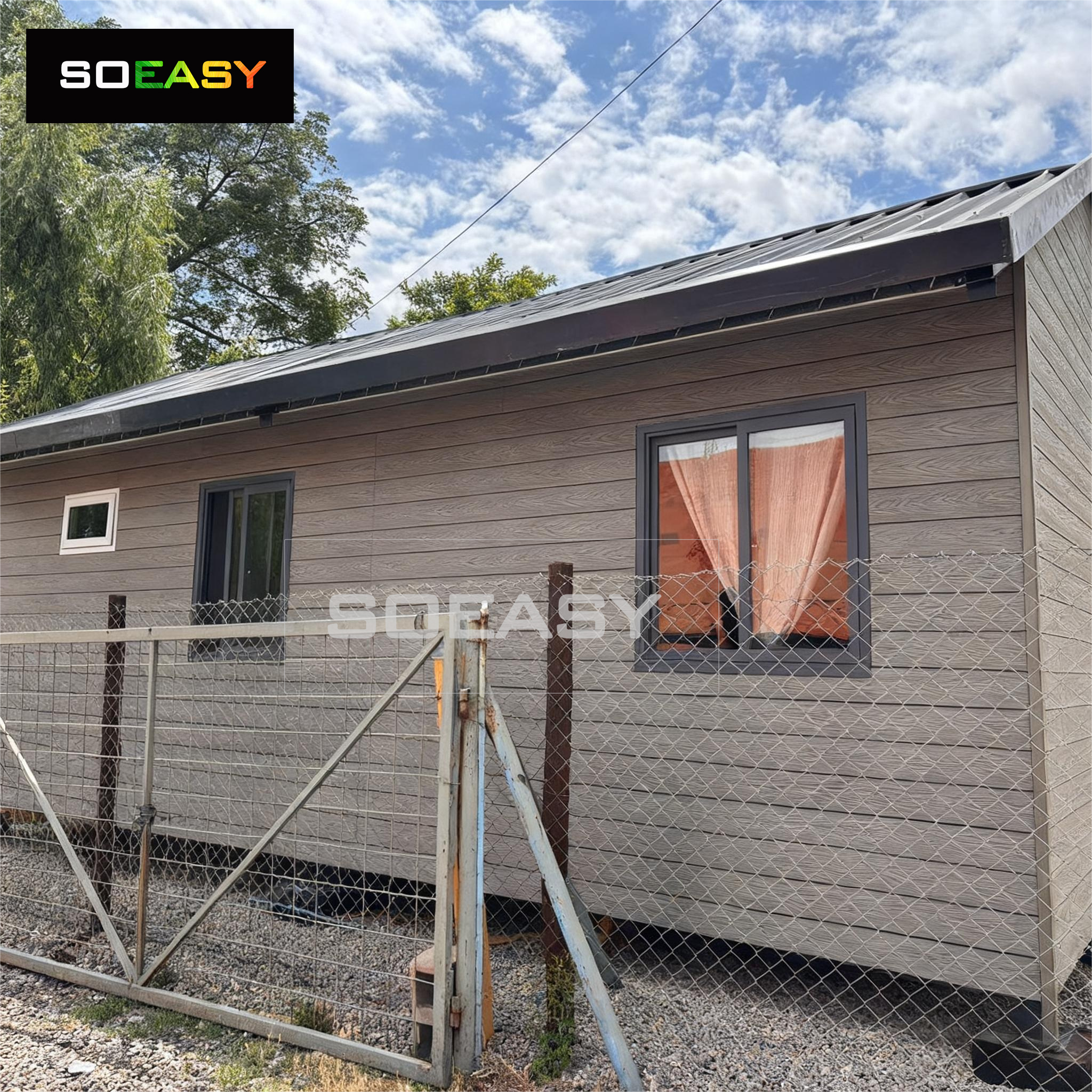
The current housing market feels highly unpredictable. This volatility prompts future homeowners to eagerly seek reliable ways to control building expenses. The promise of predictable pricing draws thousands toward off-site construction options every year. However, enthusiastic buyers routinely misunderstand the initial price tags advertised online. They often conflate the basic factory quote of a prefabricated house with the ultimate, move-in-ready financial reality. This fundamental confusion frequently results in shattered budgets and unexpected logistical nightmares.
While factory construction undeniably offers distinct financial advantages, it is absolutely not a guaranteed, blanket discount on custom homebuilding. You must approach these projects equipped with realistic data. Throughout this comprehensive guide, we will strictly evaluate the true cost structures behind these modern builds. You will discover exactly which hidden variables inflate budgets, how timeline speeds translate directly into massive savings, and when choosing this specific building method genuinely protects your wallet.
Key Takeaways
Base vs. Final Cost: A prefabricated house typically costs 10% to 20% less per square foot in base construction, but site preparation can quickly close that gap.
Time is Money: The most significant financial advantage is reduced timeline, which drastically lowers construction loan interest and holding costs.
Hidden Variables: Transportation logistics, foundation requirements, and local permit complexities are the primary drivers of budget overruns in prefab projects.
Predictability over Cheapness: Prefab thrives on fixed-cost contracts, offering protection against material price spikes and labor shortages rather than just a lower bottom line.
The "Base Price" vs. The "Turnkey Cost": Framing the Reality
Manufacturers aggressively advertise their base prices across brochures and websites. This isolated number usually looks incredibly appealing to budget-conscious buyers. It strictly covers the physical structural modules, indoor factory labor, and standard interior finishes. You essentially pay for the constructed box sitting on a factory floor. It includes drywall, basic flooring, cabinetry, and pre-wired electrical systems.
However, this factory quote leaves out massive project requirements. It fundamentally excludes the actual land purchase. You also must pay separately for site clearing, deep excavation, and pouring a custom concrete foundation. Crucial utility connections remain entirely your responsibility. Trenching for water, sewer, and grid power easily consumes tens of thousands of dollars. These mandatory site-specific elements dramatically inflate your final budget before you even unlock the front door.
To accurately assess your financial commitment, we utilize the "Turnkey Multiplier" framework. This simple evaluation criteria helps you avoid devastating financial surprises during the decision stage. Industry experience shows final project costs typically run 1.5 to 2 times the factory base price. If your chosen prefabricated house modules cost $150,000, expect your final all-in budget to reach $225,000 to $300,000. We strongly advise applying this multiplier immediately during your initial planning phase to establish a realistic baseline.
Cost Breakdown: Prefabricated House vs. Traditional Construction
Hard Costs (Materials and Labor)
Indoor factory environments operate under incredibly strict efficiency protocols. This highly controlled precision radically minimizes structural material waste. In fact, indoor building processes routinely reduce scrapped lumber, drywall, and siding by up to 30%. You pay only for exactly what goes into your final structure, rather than funding dumpsters full of ruined off-cuts.
Furthermore, centralized factory labor successfully bypasses expensive local subcontractor rates. Manufacturing companies maintain consistent, dedicated indoor workforces. They do not face the daily scheduling chaos, travel time, or weather delays common on traditional muddy job sites. This stability translates to highly predictable labor overhead.
Additionally, large-scale manufacturers leverage immense bulk purchasing power. They buy premium lumber, windows, roofing, and fixtures by the trainload directly from suppliers. This enormous volume buying directly lowers the individual unit cost for your specific home. You gain indirect access to wholesale material pricing impossible for boutique local builders to secure.
Soft Costs and Holding Costs
Speed represents your most powerful financial lever in real estate development. Traditional site-built homes usually require 10 to 14 months to reach completion. Bad weather and sudden contractor disputes frequently push this exhausting timeline even further. Conversely, an indoor factory-built home generally takes only 4 to 6 months from deposit to delivery.
This rapid pace systematically slashes your ongoing holding costs. You spend far less money on temporary rental housing while waiting for construction to conclude. More importantly, shorter build times drastically reduce expensive construction loan interest payments. We highly recommend factoring these tangible, easily calculable savings into your early budget comparisons. General project management fees also drop significantly due to these highly compressed schedules.
Cost Category
Traditional Construction
Factory-Built Approach
Real Financial Impact
Total Timeline
10 to 14 months
4 to 6 months
Saves 6 to 8 months of waiting
Temporary Rent
$20,000+ ($2k/mo x 10 mos)
$8,000+ ($2k/mo x 4 mos)
Slashes living expenses by 60%
Loan Interest
Accrues heavily over one year
Accrues for only a few months
Preserves crucial liquid cash
Quality Parity & Scope
You must rigorously compare equivalent structures to get a true financial picture. Comparing a baseline, budget-friendly traditional build to a luxury, high-performance modular home easily creates a false equivalency. Many factory models natively feature superior rigid insulation, thicker exterior walls, and premium commercial-grade window fixtures.
Always aggressively assess costs based on identical energy-efficiency ratings and identical structural standards. When you match features exactly pound-for-pound, the indoor-built option almost always emerges as the superior value. Never judge a quote solely on price without verifying the included structural upgrades.
The Hidden Costs and Implementation Risks of Prefab
Many eager buyers encounter severe unexpected hurdles during the messy execution phase. Understanding these specific logistical risks directly protects your wallet from catastrophic overruns.
Site Preparation & Topography
Flat, easily accessible lots remain incredibly cost-effective. They require minimal dirt grading and straightforward foundation pouring. However, sloped, rocky, or remote mountain parcels present massive engineering challenges. They demand extensive heavy excavation, custom retaining walls, and specialized structural engineering. These intense site preparation needs can instantly erase any savings gained from the factory assembly line.
Transportation and Crane Fees
Shipping large volumetric housing modules requires specialized heavy freight logistics. Manufacturers charge per mile to move these enormous sections from their facility to your property. Long geographic distances trigger massive interstate freight bills.
Once the trucks arrive, you must rent a massive commercial crane for the installation day. These mandatory crane rentals routinely cost $1,000 to well over $5,000 per day depending on the tonnage required. You might also need expensive road closure permits or mandatory local police escorts during the final delivery mile.
Utility Hookups
Undeveloped raw land often entirely lacks basic municipal infrastructure. Bringing water lines, sewer systems, and grid power to a rural plot proves highly unpredictable. Digging deep rock trenches or drilling custom artisan wells will drastically increase your baseline budget. A common mistake involves buying cheap land without researching the distance to the nearest electrical transformer.
Financing Limitations
Securing project funds for this modern building method feels quite different. Factory builds often require substantial upfront cash deposits. Manufacturers need immediate capital to procure materials and begin indoor assembly long before a traditional mortgage kicks in. This unique structural reality deeply impacts your immediate cash flow. You must secure specialized modular construction lending or possess ample liquid assets to smoothly bridge this early gap.
When is a Prefabricated House Actually the Cheaper Option?
Despite the known logistical challenges, specific geographic and stylistic scenarios make off-site building the undeniable financial winner.
Scenario A: High-Labor-Cost Markets
Dense urban centers and extremely remote resort towns share a painful common problem. Local contractor availability remains terribly scarce, and skilled labor rates soar astronomically. In these tough regions, importing a mostly finished structure neatly bypasses exorbitant local wages. Factory building wins decisively when local plumbers, framers, and electricians charge premium hourly rates just to show up.
Scenario B: Standardized vs. Custom Models
Manufacturers continuously optimize their assembly lines for specific proven floor plans. Opting for a standard, off-the-shelf catalog layout absolutely maximizes your savings. The factory has already engineered the precise blueprints and streamlined the exact material cuts. If you demand heavy, complex architectural customizations, you severely interrupt their optimized process. Extensive personal modifications dilute the core efficiency advantage of factory building.
Scenario C: High-Performance / Passive Standards
Many modern homeowners now prioritize extreme residential energy efficiency. Achieving strict passive house standards requires incredibly airtight building envelopes and rigorous testing. Doing this manually outdoors in the rain is extremely tedious and heavily labor-intensive. Conversely, robotic factory precision handles exact joint sealing and superior insulation installation effortlessly. If your primary goal involves ultra-low utility bills, the indoor method achieves these strict environmental standards much cheaper than onsite custom framing.
How to Evaluate Prefab Quotes (Shortlisting Logic)
Choosing the right manufacturing partner heavily dictates your ultimate financial success. Use strict shortlisting logic to ruthlessly evaluate competing quotes before signing anything.
Demand a Detailed Scope of Work Matrix: Vague contracts always lead to costly onsite disputes. You must verify exactly who handles every single project phase. Determine exactly who pours the foundation, manages the button-up work (seaming the modules together), and completes the final interior touch-up paint. A clear matrix removes dangerous financial ambiguities.
Aggressively Vet the General Contractor: Your project still heavily relies on a competent local general contractor. This person preps the raw land and finishes the complex onsite utility connections. You must ensure they possess specific past experience managing modular crane deliveries. Inexperienced contractors frequently cause severe scheduling errors and trigger expensive crane standby fees.
Conduct a Feasibility Study First: Never hand over a massive factory deposit blindly. Spend $1,000 to $3,000 on a professional site evaluation first. Geotechnical engineers and local surveyors will reliably uncover hidden soil instability or topographical issues. Finding a hidden underground rock ledge early saves you tens of thousands later.
By rigorously applying these crucial steps, you deeply protect yourself from predatory pricing. It ensures your newly designed prefabricated house project remains genuinely financially viable from start to finish.
Conclusion
Ultimately, off-site construction presents a highly efficient path to modern homeownership. Its true structural value does not manifest as a rock-bottom clearance price. Instead, it systematically delivers unmatched financial predictability and rapid completion timelines. Fixed-cost factory contracts successfully shield buyers from sudden lumber inflation and unpredictable local labor shortages.
To succeed financially, prioritize the following actionable steps:
Secure and thoroughly evaluate your raw land before falling in love with a specific factory floor plan.
Confirm local zoning regulations strictly allow modular or panelized deliveries on your specific street route.
Partner exclusively with a local lender highly experienced in short-term modular construction loans to secure smooth cash flow.
By mastering the complex logistics upfront, you can confidently build a beautiful, energy-efficient home while keeping your bank accounts strictly intact.
FAQ
Q: Do prefabricated houses depreciate in value?
A: No. Modern modular homes appraise and appreciate at the exact same rate as traditional stick-built properties. Factories construct them to identical—and often stricter—state and local building codes. You must distinguish them from mobile or manufactured homes, which carry different zoning rules and can depreciate. A permanent factory-built home secured to a concrete foundation acts as a standard, appreciating real estate asset.
Q: Is it harder to get a mortgage for a prefabricated house?
A: It requires a slightly different banking process. You typically secure a short-term construction loan to cover the large factory deposits and early site work. Once the home is fully installed and passes final local inspection, this initial loan seamlessly transitions into a standard permanent mortgage. Because manufacturers require large upfront payments before delivery, you need solid liquid cash or an accommodating specialized lender early on.
Q: Can I build a prefab home on any lot?
A: Logistical constraints heavily dictate your lot choices. Narrow mountain roads, low-hanging power lines, and sharp switchbacks can physically prevent massive delivery trucks from reaching your property. Even if the land itself is perfectly suitable, the transportation route must safely accommodate oversized freight and a large commercial crane. Always conduct a professional site access survey before purchasing raw land.