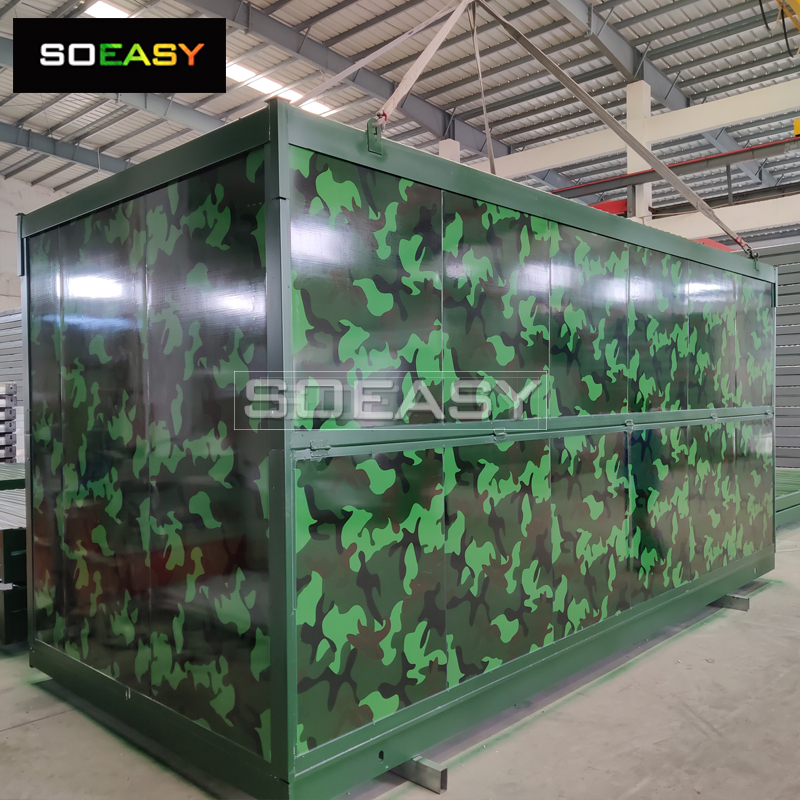
Buyers frequently flock to the speed and modern aesthetic of alternative living spaces. They love the idea of upcycling a massive steel box. However, transitioning from conventional wood framing to industrial cargo units brings up serious safety questions. We must acknowledge a core conflict here. Many people assume a heavy steel structure guarantees extreme durability. In reality, a container house carries very specific risks. These risks tie directly to structural modifications, past chemical exposure, and severe weather resilience.
We need to validate this skepticism. Safety does not happen automatically. It depends entirely on your sourcing methods, your structural reinforcement techniques, and your strict compliance with local building codes. This article provides a transparent, engineering-focused framework. You will learn how to evaluate steel home safety effectively. We will help you identify hidden risks and shortlist reliable building solutions. Let us examine the evidence to keep your upcoming residential project secure.
Key Takeaways
Structurally unmodified ISO shipping containers are engineered to bear immense loads, often exceeding traditional timber frames in baseline durability.
The primary safety risks stem from structural modifications (cutting windows/doors) and historical chemical exposure in used units.
Extreme weather resistance (high winds, tornadoes) requires specialized anchoring and foundation engineering, not just a heavy structure.
Purpose-built alternatives, such as a folding container house, eliminate the toxicity and structural compromise risks associated with repurposing used freight containers.
Permitting and structural engineering sign-offs are non-negotiable success criteria for long-term safety.
Structural Integrity: How Modification Impacts Load-Bearing Capacity
You must understand the baseline strength of these units first. Manufacturers build shipping units using Cor-Ten steel. Industry professionals often call this weathering steel. It develops a protective rust layer to prevent deeper corrosion. Engineers design unaltered ISO containers to carry immense weight. They distribute this heavy load entirely through their reinforced corner castings. The corrugated steel walls provide incredible lateral shear strength. This design allows them to stack eight units high on cargo ships securely.
However, residential conversion introduces significant modification risks. You cannot simply slice into corrugated steel walls without consequences. People often underestimate the reality of this process. Cutting out massive sections of steel for windows and doors destroys the unit's baseline structural integrity. The roof will sag. The remaining walls can buckle under moderate snow loads.
You need strict evaluation criteria before beginning any metal modifications. Follow these non-negotiable rules to ensure complete structural safety:
Implement welded steel framing: You must weld secondary heavy-duty steel framing around all new wall cutouts.
Require engineering reviews: A licensed structural engineer must review and stamp your floor plan before any cutting begins.
Verify load transfers: Ensure new support beams successfully transfer vertical roof loads down to the rigid floor chassis.
Common mistakes plague the DIY building community constantly. Do not trust builders who skip these secondary load-bearing reinforcements. Some contractors frame window cutouts purely in cheap lumber to save time. Wood does not bond structurally to steel under heavy shear stress. Always demand proper metal fabrication techniques.
Structural Dynamics Chart: Unmodified vs. Modified Units
Structural State
Load Distribution Method
Primary Safety Risk
Required Mitigation
Unaltered ISO Unit
Corner Castings
Minimal (Highly stable)
None required
Cut Walls (No Frame)
Compromised
Roof sag, wall buckling
Immediate work stoppage
Cut Walls (Welded Frame)
Secondary Steel Headers
Welding failures
Ultrasonic weld testing
Weather Resistance and Extreme Climates (Wind, Rain, and Fire)
People often assume a heavy metal box easily survives brutal storms. Containers are exceptionally heavy empty. Yet, their massive, flat exterior walls act exactly like sails in extreme winds. High winds and tornadoes pose serious safety concerns for unanchored structures.
Implementation requirements dictate your survival. Extreme weather safety relies completely on your foundation anchoring system. You cannot simply drop the unit on flat dirt. Builders must utilize deep concrete pier foundations. You should use specialized twist-lock tie-downs. Weld these tie-downs directly to embedded steel foundation plates. This approach locks the structure firmly against severe wind uplift forces.
Next, we face moisture and rust. Condensation acts as the absolute enemy of any enclosed steel structure. When warm indoor air meets cold outer metal, water droplets form instantly. Hidden rust compromises structural safety over decades. It eats away at vital weld points invisibly.
You must actively prevent moisture accumulation. Closed-cell spray foam insulation serves as the ultimate solution. It forms a seamless, airtight vapor barrier against the corrugated metal. We strongly advise pairing this insulation approach with industrial-grade rust-inhibiting exterior paints. Regularly inspect your exterior for deep scratches.
Fire safety demands equal attention during the build phase. Bare steel remains entirely non-combustible. The real danger lies inside your finished home. Traditional spray insulation and interior wood framing burn aggressively. You must evaluate fire safety standards critically. Always specify fire-rated drywall (Type X) for interior walls and ceilings. Ensure your architectural design complies strictly with all local municipal fire codes.
Health and Toxicity: The Hidden Risks of Used Containers
Used freight units travel the globe for many years. During this harsh marine lifespan, manufacturers treat them aggressively. They must survive corrosive saltwater and invasive wood pests. Unfortunately, this treatment creates a severe pesticide and paint problem for human living.
Factories often coat the exterior walls in heavy metal paints. They soak the heavy wooden subfloors in highly toxic pesticides. Chemicals like Aldrin prevent insects from destroying the cargo floor. If you buy a used unit, you unknowingly inherit these toxic chemicals.
You must face the harsh remediation realities. You cannot ignore contaminated flooring in a residential space. Many DIY builders try stripping and sealing the existing floors with epoxy. This method rarely provides guaranteed safety. Complete removal and replacement of the plywood floor remains the only foolproof solution.
Similarly, handling toxic exterior paint requires specialized hazmat protocols. Sandblasting lead or chromate paints creates dangerous airborne dust. You must wear advanced respiratory PPE. You then encapsulate the bare metal thoroughly with safe, residential-grade coatings.
Apply a logical decision framework here. Calculate the immediate health risk of a used box. Factor in the intense labor required for chemical remediation. Compare this massive effort against purchasing a "one-trip" unit. A one-trip unit crossed the ocean exactly once. Alternatively, consider factory-new units. Paying upfront for a clean, non-toxic unit prevents severe chemical exposure during your build phase.
Used Freight vs. Purpose-Built Solutions
The current alternative housing market splits into two distinct categories. First, you will find traditional upcycled shipping containers. Second, you will discover modern prefabricated units. Engineers design the latter specifically for long-term human habitation.
We must discuss the purpose-built advantage clearly. Units manufactured solely for residential use bypass marine-grade chemical treatments entirely. They never carry toxic commercial freight. They never endure harsh saltwater crossings. Builders construct them from clean, new steel.
Focusing on innovations reveals highly practical options. Introduce the folding container house as a viable, modern alternative. Factories engineer these unique structures specifically for rapid deployment. They focus strictly on residential safety codes from day one. Using these innovations completely eliminates the unpredictable structural history of used cargo units.
You avoid hidden dents, concealed rust, and structural fatigue. The factory controls the welding environment perfectly. They execute quality control under ideal indoor conditions. This approach yields a significantly safer final product.
Apply strong shortlisting logic to your project planning. If your budget permits, pivot away from the DIY used container route. Move confidently toward certified, purpose-built prefab models. This crucial shift guarantees predictable safety compliance. It saves you months of stressful structural remediation.
Comparing Used Cargo Units vs. Purpose-Built Units
Feature Matrix
Used Cargo Container
Purpose-Built Unit
Chemical History
High risk (Pesticides, heavy metals)
Zero risk (Clean materials)
Structural Integrity
Unknown fatigue, hidden rust
Factory-certified, brand new
Wall Modification
Requires expensive reinforcement
Pre-engineered for windows/doors
Deployment Speed
Months of fabrication
Often deploys in hours
The Buyer’s Safety Checklist: Foundations, Permits, and Contractors
Your building project requires rigid oversight to ensure family safety. A heavy steel home acts only as safely as its base. Let us review the foundational safety checklist together.
First, focus heavily on foundation selection. Evaluate slab-on-grade foundations, deep pier foundations, and strip footings carefully. Slab-on-grade works well for perfectly flat, stable land. Pier foundations excel on sloped terrain or flood-prone areas. Always base your final foundation choice on official geotechnical soil reports. Never guess your soil's bearing capacity.
Second, navigate zoning laws and building codes proactively. Ensure the local municipality formally accepts non-traditional building methods. Many towns remain hesitant. Provide local officials with stamped drawings from a certified engineer. Utilize ICC (International Code Council) evaluation services if available. These formal reports prove the structural viability of your design to skeptical inspectors.
Third, apply strict vetting standards when hiring contractors. Experience matters immensely in steel fabrication. You must demand undeniable proof of their previous container builds. Tour their past project sites if possible.
Require transparent Quality Assurance and Quality Control (QA/QC) processes. Ask specific questions about their welding standards. How do they inspect structural welds? Do they use visual inspections or ultrasonic testing? Standard residential carpenters lack the metalworking expertise required for this job. Hire specialized steel fabricators to guarantee your home's long-term safety.
Conclusion
A steel-framed home proves highly secure when you engineer it correctly. However, it becomes inherently dangerous if treated as a cheap DIY shortcut. Your structural safety relies heavily on careful planning and professional execution. You cannot ignore load-bearing dynamics or toxic chemical histories.
We highly recommend following these actionable next steps to ensure success:
Prioritize a professional geotechnical site evaluation before purchasing your foundation materials.
Consult a licensed structural engineer immediately to review your window and door cutouts.
Compare comprehensive quotes between specialized upcycling builders and purpose-built modular manufacturers.
Invest heavily in closed-cell spray foam to eliminate dangerous structural condensation.
FAQ
Q: Are container houses safe in a lightning storm?
A: Yes, they remain highly safe during lightning storms. The massive steel shell acts effectively as a Faraday cage. It safely conducts electrical currents around the exterior walls, protecting the occupants inside. However, you must install proper grounding rods. A licensed electrician needs to tie the steel frame directly to the earth to ensure full safety.
Q: How long does a container house last?
A: A well-maintained steel unit easily lasts 50 years or more. These lifespan expectations rely entirely on aggressive rust prevention. You must inspect the steel exterior regularly for deep scratches. Applying high-quality exterior cladding protects the metal from direct elemental exposure. This simple step significantly extends the overall structural life.
Q: Is it safer to use a one-trip container or a used one?
A: It is significantly safer to use a one-trip unit. These cleaner units have virtually zero marine cargo history. They entirely avoid the toxic pesticide floor treatments and heavy metal paints common in older shipping units. Furthermore, one-trip units possess completely intact structural integrity. They arrive free from undocumented dents and heavy rust.