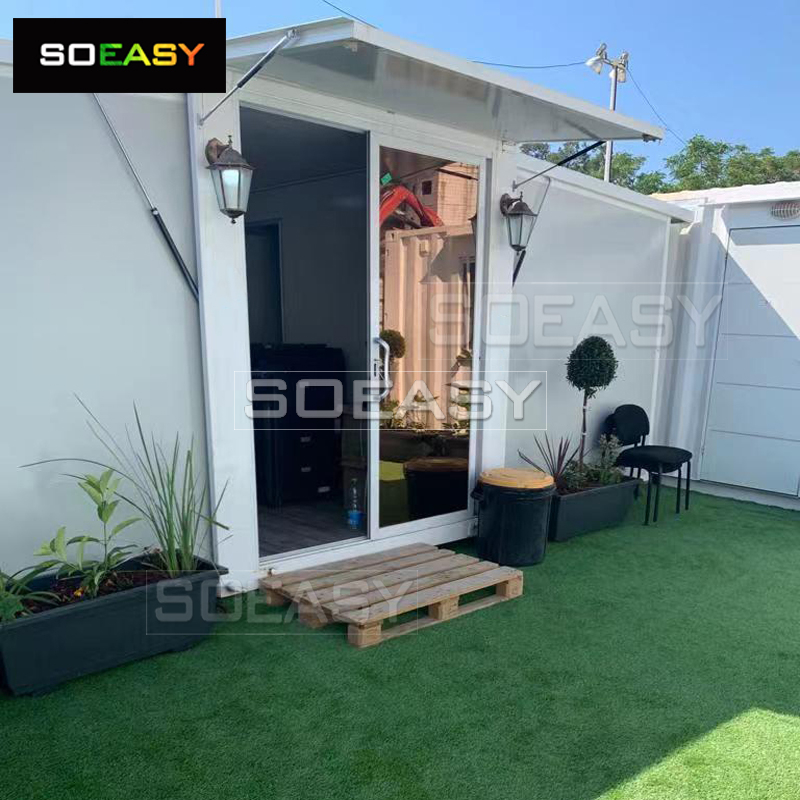
Many prospective buyers share a very common hesitation. They view a container house as a potential "tin box" or an "oven effect" waiting to happen. The blunt reality of this material cannot be ignored. Raw, unmodified corrugated steel absorbs radiant heat rapidly from the sun. It then conducts this intense heat straight into the living space. Left unchecked, these structures quickly become uninhabitable in warm climates. However, architectural engineering tells a completely different story. A properly modified steel home functions exactly like traditional stick-built homes regarding temperature control. Our goal here is to provide an evidence-based breakdown. We will explore exactly how thermal dynamics work in steel homes. You will learn about the specific insulation methods actually perform in extreme heat. Finally, we will show you how to evaluate climate-ready vendors before you invest.
Key Takeaways
Uninsulated container homes will overheat, but achieving residential-grade thermal comfort is standard practice through proper R-value insulation and thermal breaks.
Closed-cell spray foam and rigid insulation boards are the industry standards for preventing heat transfer while maximizing limited interior space.
Passive cooling designs (roof shading, cross-ventilation) significantly reduce active HVAC dependency and energy costs.
Modern alternatives, such as a folding container house, often arrive with factory-integrated insulated sandwich panels, eliminating on-site insulation errors and speeding up deployment.
The Physics of Steel: Understanding Thermal Bridging in a Container House
The Baseline Reality
We must first define how corten steel interacts with solar radiation. Manufacturers engineered corten steel for durable marine shipping. They never designed it for human habitation. This metal possesses exceptionally high thermal conductivity. It absorbs solar heat instantly. The surface temperature of raw steel often exceeds the ambient air temperature. It turns the entire structure into a massive heat sink.
The Threat of Thermal Bridging
Heat travels relentlessly through the exterior steel frame. It moves directly into interior framing studs. You must establish a physical barrier to stop this. Engineers call this barrier a thermal break. Without a thermal break, your walls radiate heat directly inside. Imagine a metal screw touching the hot exterior shell. It carries that heat straight into your interior drywall. Your air conditioning cannot overcome this constant thermal influx.
Condensation Risks
Temperature differentials create severe moisture buildup. The exterior shell gets blazing hot during the day. Your air-conditioned interior stays cool. This drastic clash creates sweating inside the enclosed walls. Moisture drops form on the metal. Airtight insulation serves as an absolute structural necessity. It is not merely a comfort upgrade. It prevents hidden rust. It stops toxic black mold from destroying your walls.
Success Criteria
You cannot simply blast cold air into the room. True success involves decoupling the interior climate. You must separate your living space from the exterior steel shell completely. We evaluate thermal performance by measuring this separation. A successful build creates an isolated thermal envelope. It keeps the hostile outside environment firmly outside.
Proven Insulation Strategies for High-Temperature Climates
Closed-Cell Spray Foam
Closed-cell spray foam dominates the industry. It expands rapidly upon application. It fills every single corrugated gap seamlessly. This chemical reaction creates a completely airtight vapor barrier. It offers the highest R-value per inch available today. It actively prevents wall condensation. However, it requires expensive professional installation. You cannot safely apply it yourself.
Rigid Insulation Boards (EPS/XPS/PIR)
Builders frequently use rigid insulation boards. These include EPS, XPS, or polyisocyanurate (PIR) panels. You fit this panelized insulation directly over your framing studs. They prove highly effective at blocking heat. However, implementation reality dictates extreme caution. You must meticulously tape and seal all joints. A tiny gap creates a massive thermal leak. They also eat into your precious interior square footage.
Exterior Insulation vs. Interior Insulation
You face a major design choice here. Cladding the exterior saves vital interior space. It keeps the steel shell completely inside the thermal envelope. The steel remains at room temperature. Conversely, insulating the inside preserves the raw industrial aesthetic. You leave the exterior corrugation exposed. This choice forces you to sacrifice several inches of indoor living area.
Ceramic Roof Coatings
Many buyers incorrectly believe paint alone insulates a home. We must debunk this myth immediately. Ceramic roof coatings act merely as a supplemental reflective layer. They deflect UV rays effectively. They lower the surface temperature slightly. They do not replace proper foam insulation. You should use them only as a bonus defense mechanism.
Insulation Comparison Chart
Insulation Type
Mechanism
Pros
Cons
Closed-Cell Spray Foam
Expands to fill all gaps and seals air.
High R-value, blocks condensation.
Expensive, requires certified pros.
Rigid Boards (EPS/XPS)
Solid foam panels fitted over framing.
Excellent thermal block, DIY friendly.
Requires meticulous joint sealing.
Exterior Cladding
Insulation applied to outside of steel.
Saves interior space, stops steel heat.
Hides the industrial container look.
Ceramic Coating
Reflective paint applied to roof.
Deflects UV rays, inexpensive.
Minimal R-value, supplementary only.
Passive Cooling: Architectural Modifications to Reduce Heat Load
Ventilation and Airflow
Ventilation dictates your overall comfort level. Strategic window placement leverages natural cross-ventilation effectively. You should install operable skylights in the ceiling. Hot air naturally rises to the top. These skylights allow trapped heat to escape rapidly. Engineers call this process thermal mass drafting. It dramatically cools the structure before the air conditioning even turns on.
Consider implementing these essential airflow strategies:
Position lower windows on the cooler, shaded side of the home.
Place higher exhaust windows on the warmer, sun-facing side.
Utilize ceiling fans to force rising warm air out of open skylights.
Keep interior pathways open to allow breezes to travel unobstructed.
Roofing Systems
Roofing systems require serious attention. You cannot rely on the flat metal top alone. You must install a secondary pitched roof. Builders typically call this a "fly roof". It hovers above the original structure. It heavily shades the primary metal surface. It allows cooling breezes to flow between the two roofs. This drastically reduces direct solar radiation.
Shading and Siting
Your property layout matters immensely. Proper orientation minimizes west-facing glass exposures. The brutal afternoon sun creates massive heat loads. You should consider structural exterior modifications. Awnings, pergolas, and green roofs cool the immediate perimeter. They cast deep shadows over the steel walls. These passive steps significantly lower your required HVAC capacity.
Traditional vs. Folding Container House: Thermal Efficiency at Scale
The Factory-Fitted Advantage
The modern manufacturing process changes everything. A pre-engineered folding container house serves as an evolved solution. These advanced structures utilize specialized insulated sandwich panels. Manufacturers inject Rockwool, EPS, or PU foam directly into the folding walls. They build the insulation perfectly into the core. You never have to worry about missing spots. This method guarantees a continuous thermal boundary.
Scalability and Consistency
Scalability heavily favors the factory approach. Traditional custom builds rely on local contractors. Local execution for insulation often varies wildly. One bad contractor can ruin your thermal envelope. Standardized folding units provide factory-controlled thermal performance. Machines assemble the insulated panels flawlessly. They remove human error from the equation completely. Every unit performs exactly as engineered.
Deployment Realities
Deployment realities often dictate your final choice. Pre-insulated folding units massively reduce on-site labor demands. They deploy and lock into place within hours. This limits interior weather exposure during construction. You minimize the severe risk of incorrectly applied insulation. This proves absolutely vital in remote or extreme climates. You get immediate, reliable climate control.
Buyer’s Checklist: Evaluating Builders on Thermal Compliance
You need a strict framework for shortlisting manufacturers. Use these criteria to evaluate potential builders.
Ask for R-Value Guarantees
Do their standard builds meet your local building codes?
Demand written proof of specific wall insulation ratings.
Check the exact R-value planned for the ceiling assembly.
Ensure the R-value matches your specific regional climate zone.
Verify HVAC Load Calculations
Ensure the builder correctly sizes the mini-split AC units.
They must base calculations on the home's specific insulation rating.
They should never rely on simple square footage math.
Ask to see their Manual J load calculation document.
Window and Door Specs
Insist on high-quality, double-glazed window units.
Check for low-E glass coatings to block solar heat.
Demand thermally broken window frames to stop heat transfer.
Inspect the weatherstripping quality around all exterior doors.
Vapor Barrier Protocols
Ask how the builder mitigates hidden wall condensation.
Verify their method for sealing corrugated metal gaps.
Check their strategy for venting bathroom and kitchen moisture.
Ensure they use marine-grade sealants on all exterior penetrations.
Conclusion
A container house is only hot if it is poorly built. Proper architectural engineering completely solves the dreaded oven effect. We have seen how raw steel conducts heat. We also know exactly how to stop it. Investing in advanced insulation changes the entire dynamic. Closed-cell foam creates an impenetrable thermal barrier. Passive cooling strategies further reduce your energy burden. Opting for pre-insulated modular solutions like folding units helps immensely. These deliberate choices shift the home from a basic metal box. They create a highly efficient, comfortably climate-controlled living space. We strongly prompt you to review your local climate data. Consult with certified prefab manufacturers immediately. Discuss specific R-value requirements for your exact location. Protect your investment through proper thermal planning.
FAQ
Q: Does a container house require a special type of air conditioning?
A: Yes. They generally perform best utilizing ductless mini-split systems. Severe space constraints make traditional ducted central air highly impractical. Mini-splits offer exceptional energy efficiency. They allow you to control individual room temperatures precisely. This targeted cooling perfectly matches the unique thermal dynamics of modified steel homes.
Q: Is it cheaper to insulate a container house or a traditional house?
A: The raw steel shell is incredibly inexpensive. However, properly insulating it requires specialized, premium materials. Applying closed-cell spray foam normalizes the overall building costs. You essentially pay a similar amount per square foot for high-quality insulation as you would for a traditional stick-built home.
Q: Can a container home survive extreme desert heat?
A: Yes, absolutely. Many successful off-grid builds thrive in arid desert environments today. Survival depends heavily on combining passive and active cooling strategies. You must utilize heavy exterior shading, like a secondary fly roof. You also need thick, high-R-value closed-cell foam to completely block extreme solar radiation.
Q: Do container homes get colder in the winter than normal homes?
A: Thermal performance possesses a dual nature. A poorly insulated steel unit will absolutely freeze in winter. However, good insulation traps heat inside during winter just as effectively as it blocks heat in summer. A properly sealed steel home maintains cozy internal temperatures regardless of external freezing conditions.