Moving from social media inspiration to actual execution is a major leap. We constantly see stunning architectural designs on our screens. However, turning a raw steel box into a functional dwelling involves complex engineering and harsh logistical realities. It requires much more than just stacking metal blocks together. Successful builds always rely on strict zoning adherence, precise structural modifications, and realistic budget planning. Without an ironclad plan, hidden fees and structural failures can quickly ruin your dream project. This matters because understanding the rules prevents incredibly expensive mistakes before you start.
Here, you will find a verifiable roadmap for your entire journey. We cover everything from early planning and permitting to cutting steel and applying final interior finishes. You will also learn about faster, modern deployment alternatives. This detailed guide helps you carefully evaluate your options and decide whether to build custom or buy modular.
Key Takeaways
Compliance First: Zoning laws and building codes dictate structural limits and foundation requirements before any steel is purchased.
Structural Reality: Cutting doors and windows compromises the container's integrity; engineered reinforcement is mandatory.
Cost vs. Effort: While raw containers seem cheap, insulation, utilities, and finishing often bring costs close to traditional builds unless utilizing standardized pre-fab options.
Rapid Alternatives: For commercial or rapid-deployment needs, a folding container house bypasses traditional modification timelines and reduces on-site labor.
Phase 1: Pre-Construction, Permits, and Sourcing
Navigating Zoning and Building Codes
You must check local ordinances before buying land or materials. Zoning laws strictly dictate what qualifies as a legal dwelling. Non-traditional structures often face intense scrutiny from local planning departments. Call your municipal zoning office to ask about specific restrictions on steel modular structures.
Permitting varies drastically based on your intended use. A permanent structure requires standard residential permits, engineered drawings, and multiple inspections. Conversely, temporary structures or accessory dwelling units (ADUs) might bypass some rigid requirements. However, ADUs still need utility approvals and foundation checks. Always secure written approval before starting site work.
Selecting the Right Shipping Container
Choosing the correct steel shell is your most important early decision. You need to carefully evaluate the cost-to-condition ratio. Containers generally fall into three main categories:
Container Grade
Definition
Cost Impact
Best Use Case
One-Trip
Used exactly once. Near perfect condition. No severe rust.
Structurally sound for freight. Shows minor dents and surface rust.
Moderate cost. Requires moderate rust treatment.
Budget-conscious builds, sheds, or workshops.
As-Is / Wind & Water Tight
Retired from freight. May have major dents, patched holes, or heavy rust.
Lowest upfront cost. High repair and labor cost.
Underground bunkers or heavily modified projects.
You also must choose between High Cube and Standard sizes. We strongly recommend High Cube containers. They measure 9 feet 6 inches tall. Standard units are only 8 feet 6 inches tall. You need this extra foot of overhead space. It accommodates thick ceiling insulation, recessed lighting, and HVAC ducting without making the room feel claustrophobic.
Site Prep and Foundation Evaluation
Your foundation choice depends entirely on your soil grade and local frost lines. Steel units require highly stable bases to prevent twisting over time.
Pier Foundations: This is the most popular and cost-effective method. Concrete piers elevate the unit off the ground. This prevents moisture buildup and provides easy access for plumbing underneath.
Slab Foundations: A full concrete slab offers maximum stability. However, it requires extensive formwork, rebar, and larger concrete pours. You must also embed all underground utilities before pouring.
Trench Foundations: Builders pour concrete into shallow trenches following the unit's perimeter. This works well for stable soil but requires careful leveling of steel plates.
Phase 2: Budgeting the Build (Transparent Cost Breakdown)
The Myth of the $10k Container House
Many DIY forums promote the illusion of building a complete home for ten thousand dollars. This is largely a myth. These claims almost always omit critical hidden costs. They ignore necessary land clearing, heavy machinery rentals, and permit fees. You must budget for the raw materials first. Container acquisition easily consumes a few thousand dollars. Next, you must pay heavy delivery fees. Cranes cost hundreds of dollars per hour. Finally, you must buy expensive structural steel to reinforce every window and door cut.
Systems and Finishing Costs
Turning a metal box into a livable space requires extensive climate control. Insulation is a massive expense. Closed-cell spray foam is the industry standard. It acts as both insulation and a vapor barrier. However, professionally applied foam costs significantly more than standard fiberglass batts. Utility trenching adds further expenses. You must dig trenches for water, sewer, and power lines. Electrical rough-in and plumbing layouts require skilled labor. You cannot cut corners on critical infrastructure.
Cost Control Strategy
You need a realistic strategy to keep expenses manageable. Identify exactly which phases you can tackle yourself. DIY is highly viable for interior framing, drywall installation, painting, and basic finishing. However, you must hire professional contractors for dangerous or specialized work. Structural engineering, complex welding, and electrical panel wiring are non-negotiable professional tasks. Paying experts here prevents disastrous structural failures or fire hazards.
Phase 3: Step-by-Step Construction Framework
Step 1: Setting and Securing the Container
Delivery day requires extreme precision. You must coordinate crane operators and transport drivers. The crane lowers the steel shell onto your prepared foundation. You must ensure the corner castings perfectly align with your steel foundation plates. Once positioned, welders secure the corners to the foundation. This locking mechanism anchors the structure against high winds and seismic activity.
Step 2: Cutting and Structural Reinforcement
Corrugated steel functions as a monocoque structure. The entire skin bears the weight. Cutting holes for doors and windows instantly compromises this structural integrity. You must plan every cut meticulously.
Tool Selection: Plasma cutters offer fast, clean lines. Angle grinders work well for smaller jobs but consume many cutting discs.
Marking: Clearly outline your dimensions using chalk lines or laser levels.
Reinforcement: You must frame every single cut with tubular steel. Weld these steel frames into the openings before removing the corrugated wall sections. This restores the lost load-bearing capacity and prevents roof sag.
Step 3: Rust Prevention and Weatherproofing
Industrial shipping units endure harsh environments. They carry toxic treatments. You must treat the factory floors immediately. Manufacturers treat original wooden floors with heavy pesticides to survive global transit. You must seal these floors completely with marine-grade epoxy or remove them entirely.
Next, tackle the exterior steel. Grind away any surface rust. Apply a high-quality rust conversion acid to neutralize oxidation. Finally, spray the entire exterior with marine-grade paints. These specialized coatings block moisture and extend the structure's lifespan significantly.
Step 4: Insulation and Climate Control
Steel conducts heat rapidly. Without proper insulation, your home becomes an oven in summer and a freezer in winter. Condensation is your biggest enemy. Warm indoor air hitting cold steel walls creates internal moisture. This causes hidden mold and severe rusting behind your drywall.
You must manage condensation effectively. Closed-cell polyurethane spray foam is the undisputed industry standard. It expands into every corrugation gap. It creates a seamless vapor barrier. This prevents warm air from touching the bare metal, solving the condensation problem entirely.
Step 5: Framing, Utilities, and Drywall
Interior framing transforms the metal shell into a traditional room. You can choose between traditional wood studs or metal studs. Wood is cheaper and easier for DIYers to handle. Metal studs are perfectly straight and do not warp from moisture. Build the frame slightly offset from the steel walls. This gap allows the spray foam to pass behind the studs.
Route all your plumbing pipes and electrical wires through the stud cavities. Do this before applying the spray foam insulation. Once the rough-in passes municipal inspection, you can hang the drywall, tape the seams, and paint the rooms.
Phase 4: DIY Custom Build vs. The Folding Container House Alternative
Evaluating Time-to-Value
Custom builds demand massive time investments. A standard DIY modification usually takes three to six months of intense labor. You must manage contractors, source materials, and navigate endless delays. If time is money, this long timeline is expensive. You must compare this grueling process against the immediate deployment of modular units. Prefabricated options arrive practically ready for move-in.
The Folding Container House Model
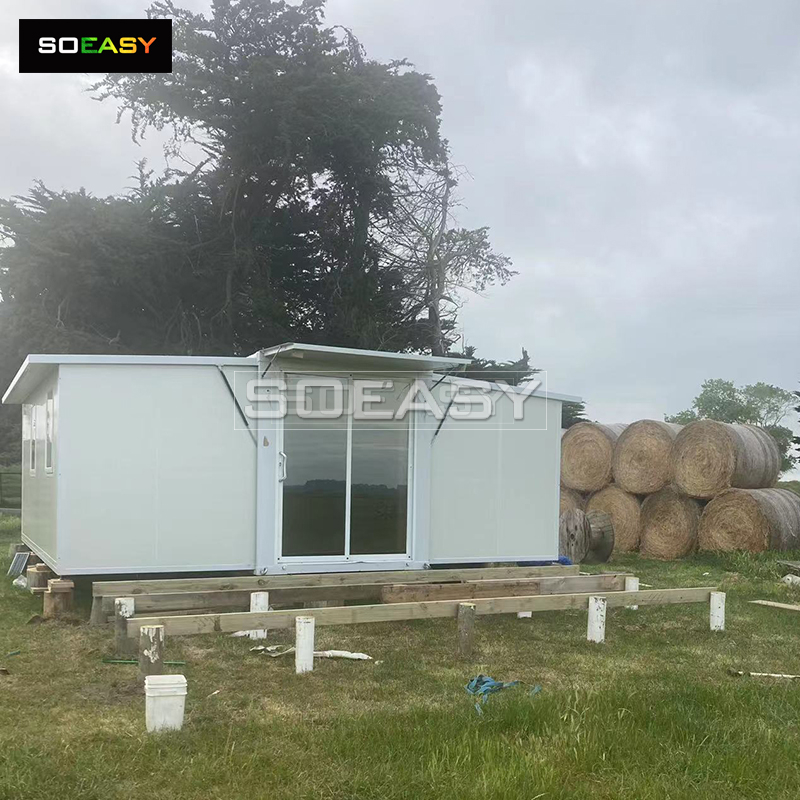
If you need rapid results, you must explore modern modular solutions. These structures redefine transportable housing. A pre-manufactured folding container house ships completely flat. Once delivered, heavy machinery expands the structure on-site. Roofs lift, floors drop, and walls lock into place.
This model serves several excellent use cases:
Disaster Relief: Governments deploy them quickly to house displaced citizens securely.
Temporary Housing: Construction crews use them as comfortable, durable site offices or dorms.
Scalable Hospitality: Entrepreneurs build instant eco-resorts or glamping sites without massive construction noise disrupting nature.
Cost predictability is its greatest advantage. You pay a fixed, transparent price for the unit. This heavily contrasts with the highly variable, often escalating costs of a custom modification project. You bypass welding, cutting, and insulation labor entirely.
Phase 5: Critical Mistakes to Avoid (Risk Mitigation)
Ignoring Local Climate Extremes
Failing to account for your specific climate is disastrous. Steel causes severe thermal bridging. Heat transfers rapidly through metal framing into your living space. If you skip closed-cell foam or under-insulate, your HVAC system will run constantly. This leads to massive energy bills and interior mold. Always over-engineer your climate control strategy.
Over-cutting the Corrugated Steel
Removing too much wall space without adding engineered supports causes immediate structural failure. The roof will sag. The floor will bow. Large glass doors look beautiful online, but they require massive steel headers to hold the weight. Never cut a hole without consulting a structural engineer first.
Underestimating Delivery Logistics
Many buyers purchase a unit without verifying their property access. Heavy-duty delivery trucks require massive turning radiuses. Cranes need stable, level ground and zero overhead power line interference. If the truck cannot navigate your driveway, you will pay thousands of extra dollars for smaller cranes or specialized transport vehicles. Walk the delivery path before spending money.
Conclusion
Building a custom container house requires dedicated project management, acute structural awareness, and immense patience. You must carefully navigate complex zoning laws, adhere to structural safety limits, and manage a realistic budget. It is a rewarding journey, but it is not a fast one.
Buyers seeking the unique aesthetic and high utility of modular housing without the heavy construction burden should evaluate pre-fab options. Modern folding structures offer rapid deployment, fixed pricing, and immediate functionality. They remove the stress of custom fabrication.
If you choose the custom route, consult a structural engineer for your floor plans today. If you prefer speed and predictability, request a spec sheet and quote for pre-fabricated models to compare their viability on your land.
FAQ
Q: Do I need a building permit for a container house?
A: Yes, almost always. Permanent structures require standard residential building permits, foundation approvals, and utility inspections. Accessory Dwelling Units (ADUs) might have simpler processes, but local zoning laws still apply. Always check municipal ordinances before starting.
Q: How long does a container house last?
A: A well-maintained unit can easily last 25 to 50 years or more. Lifespan depends entirely on rust mitigation, exterior cladding, and foundation quality. Applying marine-grade paint and keeping the steel off the ground extends its life significantly.
Q: Are the original wooden floors in shipping containers safe?
A: Usually, they are not safe for interior living. Manufacturers treat industrial cargo floors with harsh, toxic pesticides to prevent global insect transfer. You must either seal the wood completely with thick marine epoxy or remove and replace the flooring entirely.
Q: How fast can a folding container house be assembled?
A: Assembly is incredibly fast. Once placed on the foundation, cranes or heavy machinery can expand the walls and lock the roof into place within a few hours. Deployment often finishes within a single day, excluding final utility hookups.