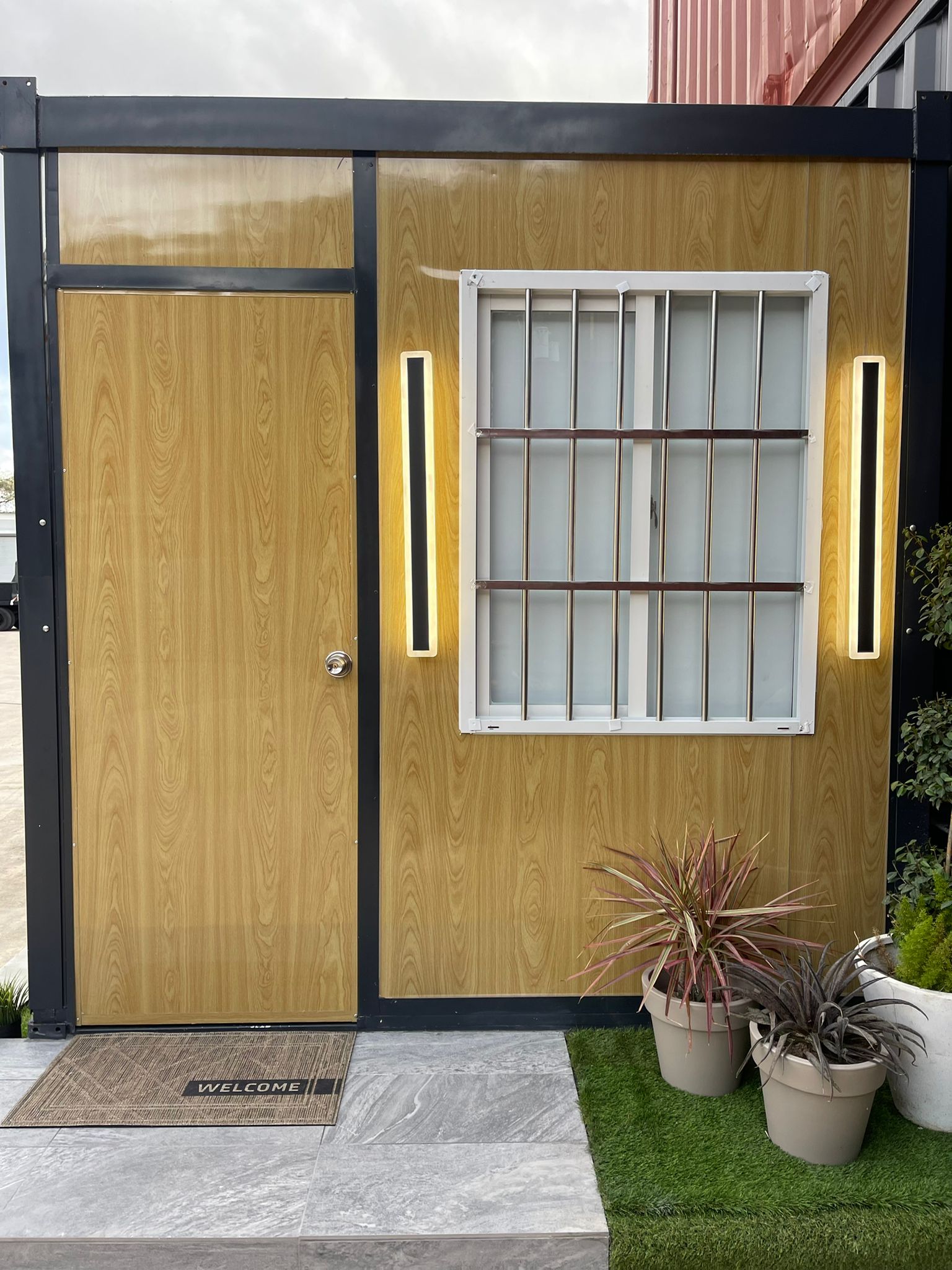
Container architecture has surged in popularity across modern residential and commercial design. Sleek industrial aesthetics often dominate social media feeds, driving intense interest in these modular builds. However, buyers must separate trendy visuals from actual structural realities.
Moving past basic definitions allows you to properly evaluate structural viability, financial frameworks, and zoning compliance. Many assume these structures provide an automatic shortcut to cheap housing. This assumption frequently overlooks the complexities of modular construction. Understanding these nuances prevents costly mistakes during the early planning phases.
In this guide, we break down exactly what you purchase when you buy an intermodal steel shell. You will discover the financial realities, compliance hurdles, and distinct differences between standard units and alternative modular designs. By the end, you will know exactly how to determine if this building method suits your specific project goals.
Key Takeaways
A container house is a residential or commercial structure utilizing steel intermodal shipping containers as the primary structural shell.
Total project costs often rival traditional builds once proper insulation, site prep, and structural reinforcements are factored in.
Choosing between standard modified containers and a **folding container house** depends heavily on project timelines, site access, and portability needs.
The most significant hurdles are local zoning laws, building code compliance, and specialized climate-control requirements.
The Structural Reality: What You Are Actually Buying
When you commit to this type of architecture, you are purchasing a highly engineered industrial product. The core shell consists primarily of Corten steel. Manufacturers use this weathering steel because it resists severe corrosion in marine environments. The corrugated walls provide exceptional vertical strength. Floors typically feature heavy-duty marine-grade plywood over steel cross-members. This combination creates an incredibly rigid box designed to withstand turbulent ocean crossings and immense stacking weight.
Structural Integrity vs. Modification
You must understand the physics of the "box" strength. A standard container relies entirely on its corner posts and corrugated side panels for load-bearing capacity. The moment you alter this shell, the structural dynamics change drastically.
Many buyers envision massive floor-to-ceiling windows or wide-open floor plans. Removing large sections of the corrugated walls severely compromises the structural integrity. You cannot simply cut a hole in the side of a container and expect it to hold weight safely. You must install heavy steel beams and reinforced columns around any new openings. These necessary reinforcements require expert engineering and specialized welding. They also add significant expense to your overall budget.
Toxicity & Off-gassing Risks
You must address potential toxicity before habitation. Shipping companies treat intermodal units with harsh chemicals to survive international transit. The marine-grade plywood floors often contain heavy pesticides to deter rodents and insects. Additionally, older units might feature lead-based industrial paints.
Best Practices:
Request the container's history and tracking data before purchase.
Completely remove and replace original plywood floors.
Seal the interior steel with non-toxic, encapsulating primers.
Common Mistakes:
Sanding original paint without proper respiratory protection.
Attempting to seal pesticide-treated floors instead of removing them entirely.
Solution Categories: Traditional vs. Folding Container House
The market offers distinct categories to solve different housing challenges. Selecting the correct format is crucial for your project timeline and budget. You can generally divide the options into traditional modified units and the increasingly popular folding container house alternative.
Standard Shipping Container Homes (ISBU)
Intermodal Steel Building Units (ISBUs) represent the traditional approach. Builders use standard 20-foot or 40-foot shipping containers as raw building blocks.
These units are best for permanent, highly customized architectural builds. If you want a multi-story home with complex cantilevers, traditional ISBUs provide the necessary structural rigidity.
Pros: They offer maximum durability, extreme stacking capabilities, and almost limitless custom design freedom.
Cons: You need heavy machinery, such as cranes, for placement. Site preparation is highly complex and heavily dependent on specialized labor.
The Folding Container House Alternative
Modern engineering has introduced collapsible variations to solve the logistical headaches of traditional units. A folding unit uses pre-fabricated hinges and modular wall panels.
These designs are best for rapid deployment, ADUs (Accessory Dwelling Units), temporary housing, or remote construction sites.
The pre-fabricated hinges allow the unit to collapse flat for transport. This feature slashes freight costs significantly. You can transport multiple folded units on a single flatbed truck. Once on site, a small team can erect the structure in hours rather than weeks.
However, you face specific trade-offs. You get less architectural flexibility compared to custom ISBU builds. They generally suit single-story, standardized layouts rather than bespoke, avant-garde designs. Still, for a highly efficient container house project, this rapid deployment method solves major logistical bottlenecks.
Format Comparison Chart
Feature
Standard ISBU
Folding Container House
Deployment Speed
Weeks to Months
Hours to Days
Transport Costs
High (One unit per truck)
Low (Multiple units per truck)
Design Flexibility
Very High (Stackable, custom cuts)
Moderate (Standardized layouts)
Equipment Needed
Heavy Cranes, Specialized Welders
Basic lifting equipment, minimal tools
The Financial Framework: Real Costs vs. Perceived Savings
Financial misconceptions surround this architectural style. Many buyers mistakenly equate the low cost of an empty steel shell with the final cost of a completed home.
The "Cheap Housing" Myth
We must deconstruct the primary myth driving the market. Buying a used 40-foot container for $3,000 does not equal a $3,000 home. The empty shell only replaces the traditional lumber framing of a standard house. You still have to pay for the foundation, plumbing, electrical work, insulation, drywall, and interior finishes. Once you add these necessary elements, your project budget will look remarkably similar to a traditional build.
Hidden Expense Breakdown
To budget accurately, you must anticipate specific hidden expenses unique to steel architecture.
Site Preparation & Foundation: You cannot place a steel box directly on dirt. It will sink and rust. You need a proper foundation. Concrete piers are popular because they support the four structural corners. If your soil type is unstable, you might need a full concrete slab. Both options require excavation, pouring, and curing time.
Insulation & Condensation Control: Steel conducts heat and cold rapidly. Without proper insulation, the interior will "sweat" due to condensation. This moisture leads quickly to severe mold issues. Closed-cell spray foam insulation is virtually non-negotiable in most climates. It acts as both a thermal barrier and a vapor barrier. Spray foam costs significantly more than traditional fiberglass batts.
Specialized Labor: Modifying heavy gauge steel requires specific skills. You need professional fabricators and welders to cut doors and windows safely. These steelworkers often command higher hourly rates than traditional framing carpenters.
ROI & Long-Term Value
You should carefully consider long-term value. Traditional stick-built homes generally appreciate steadily over time. Container structures can appreciate, but their resale value depends heavily on the local market and the quality of the build. Some lenders and buyers remain hesitant about non-traditional properties. High-end, permitted, and professionally engineered builds will retain value much better than DIY backyard projects.
Implementation Risks and Compliance Hurdles
Structural integrity and budgets only matter if you are legally allowed to build. Municipalities often enforce strict regulations regarding non-traditional structures.
Permitting and Zoning Realities
Local municipalities generally regulate building aesthetics, minimum square footage, and structural materials. Many zoning laws explicitly prohibit industrial materials as exterior cladding in residential neighborhoods.
Actionable advice: You must secure preliminary zoning approval before purchasing any physical materials. Visit your local planning department. Present a basic site plan and ask about specific restrictions on modular or steel structures. Do not spend a single dollar until the city confirms your project is legally viable on your specific lot.
Financing & Insurance
Securing traditional financial backing presents another major hurdle. Standard mortgage lenders rely on "comparables" (similar homes sold recently in the area) to determine appraisal value. Because ISBUs are relatively rare, appraisers struggle to find comparables. This difficulty often leads banks to deny standard mortgages.
You must often seek alternative financing routes. Look for construction loans, personal loans, or specialized modular lenders. Insurance companies may also hesitate. They struggle to categorize the structural risk. You may need to partner with an insurance broker who specializes in unique or modular homes.
Supply Chain & Sourcing
The condition of your raw material dictates the success of your project. You generally choose between "One-trip" and "As-Is" conditions.
A "One-trip" unit has crossed the ocean exactly once. It arrives virtually brand new, with no rust and no structural dents. An "As-Is" unit has spent a decade at sea. It will have surface rust, patch repairs, and potentially hazardous chemical spills on the floor. Always inspect the unit in person. Look specifically for structural rust around the corner posts and deep dents in the roof paneling.
Shortlisting Logic: Is a Container House Right for Your Project?
You must evaluate your specific goals objectively. Use the following logic to decide if this path makes sense for you.
Success Criteria Matrix
Review these criteria to determine your best path forward:
Proceed if:
You prioritize modular scalability and industrial aesthetics.
You possess flat, accessible land that can accommodate a crane or large flatbed delivery.
You value eco-industrial design over simple cost savings.
Pivot if:
Your primary goal is simply the absolute lowest possible cost per square foot.
Your local HOA strictly forbids non-traditional siding or flat roofs.
You require complex, wide-open interior floor plans without any support columns.
Next-Step Actions
If you decide to proceed, you need the right team. How you vet your builder dictates your success. Use this checklist to evaluate professionals:
Verify ISBU Compliance Experience: Ask the architect to show previous blueprints approved by a local municipality. They must understand steel engineering, not just wood framing.
Demand Transparent Supply Sourcing: The builder must guarantee the chemical history and structural grade of the steel units they procure.
Assess Turnkey Delivery Options: Determine if the builder handles site prep, foundation pouring, and final utility hookups, or if they only deliver the modified shell.
Review Condensation Strategies: Ask the contractor specifically about their insulation methods. If they suggest basic fiberglass batts without a robust vapor barrier, look for another builder.
Conclusion
Transitioning from an architectural concept to a fully realized structure requires intense discipline. You must navigate structural physics, strict zoning laws, and complex financial realities. You now know that an empty steel box is not an automatic solution for ultra-cheap housing. Instead, it is a highly durable, modular shell that requires expert engineering and specialized labor to become habitable.
The success of your project lies entirely in rigorous planning and realistic budgeting. You must choose the right structural format—whether a permanent ISBU build or a rapidly deployed folding unit—to match your specific desired outcome. Always prioritize proper insulation and robust foundations.
Take the next step today. Contact a modular building specialist to review local feasibility and request a preliminary site evaluation for your property.
FAQ
Q: Are container houses cheaper than traditional homes?
A: They are rarely significantly cheaper. While the initial steel shell costs less than traditional lumber framing, finishing costs are highly similar. You will often pay higher custom labor costs for specialized welders and closed-cell spray foam insulation. The overall budget usually aligns closely with standard construction.
Q: How long does a container house last?
A: These structures easily last 50+ years if properly maintained. The lifespan depends entirely on rust prevention and proper insulation. You must regularly inspect the exterior for scratched paint and surface rust, treating any issues immediately to maintain the integrity of the Corten steel.
Q: Do I need a building permit for a folding container house?
A: Yes. Almost all habitable structures require building permits, regardless of how fast they are erected. While deployment takes only hours, local zoning laws and safety codes still apply. Accessory Dwelling Unit (ADU) classifications may vary, but you must always secure municipal approval.
Q: How do you insulate a steel container house effectively?
A: Closed-cell spray foam is the absolute industry standard. It adheres directly to the corrugated steel, creating a seamless thermal barrier. More importantly, it acts as a vapor barrier, completely preventing the steel from sweating and eliminating the risk of interior condensation and mold.