As environmental concerns continue to grow across the globe, businesses are seeking innovative solutions to reduce their carbon footprint and embrace sustainability in every aspect of their operations. In recent years, container offices have emerged as a highly effective and environmentally friendly alternative to traditional office buildings. These compact, versatile structures, made from repurposed shipping containers, offer a variety of sustainable benefits, making them a popular choice for businesses looking to reduce costs, improve efficiency, and contribute to a greener planet.
In this article, we will explore why container offices are not just a passing trend, but rather the future of sustainable and eco-friendly office spaces. We will examine their environmental benefits, cost-effectiveness, versatility, and the impact they have on modern businesses and urban landscapes.
What Are Container Offices?
Container offices are repurposed shipping containers that have been modified and converted into functional office spaces. Shipping containers are originally used for transporting goods across the globe, and after their service in logistics, many are left idle or discarded. Instead of allowing these durable and sturdy containers to end up in landfills, businesses and organizations are now converting them into offices, classrooms, homes, and even hotels.
The modification process can include adding windows, insulation, electricity, plumbing, and ventilation systems to turn these containers into comfortable, functional workspaces. Container offices come in various sizes and configurations, from small, single-room units to larger, multi-container complexes designed to accommodate entire teams or departments.
Environmental Benefits of Container Offices
One of the primary reasons container offices are gaining popularity is their environmental sustainability. Here are several ways in which they contribute to a greener, more eco-friendly future:
1. Recycling and Reusing Materials
The most significant environmental benefit of container offices is that they are built from recycled shipping containers. Shipping containers are designed to be durable and long-lasting, often made from high-quality steel that can withstand harsh conditions. By repurposing these containers, businesses are contributing to reducing waste and giving new life to materials that might otherwise be abandoned or disposed of.
Instead of manufacturing new materials or building new structures from scratch, container offices make use of existing resources. This reduces the need for raw materials such as timber, steel, and concrete, which require extensive energy to produce and transport.
2. Reducing Construction Waste
Traditional office construction often generates a significant amount of waste, from excess building materials to demolition debris. In contrast, constructing a container office involves far less waste. The containers themselves are already manufactured and only need to be adapted for office use, with minimal waste produced during the process.
Moreover, if the container office ever needs to be decommissioned, the container itself can be recycled again, further promoting a circular economy. This is in stark contrast to the demolition of traditional buildings, where a large percentage of materials often end up in landfills.
3. Lower Carbon Footprint
Building a new office building from the ground up requires significant energy consumption. The manufacturing, transportation, and assembly of materials such as concrete, steel, and glass consume large amounts of energy, contributing to greenhouse gas emissions. In contrast, converting existing shipping containers into offices has a much lower carbon footprint.
Shipping containers are already built to be durable and weather-resistant, reducing the need for extensive modifications or reinforcements. This significantly reduces the energy consumption associated with new construction. Moreover, container offices often require less energy to heat or cool, particularly when energy-efficient insulation and ventilation systems are used, contributing to even lower carbon emissions over time.
4. Energy Efficiency
Container offices can be designed to be highly energy-efficient, with various modifications to reduce the overall energy consumption. By installing solar panels, LED lighting, and insulation, businesses can reduce their reliance on external power sources and lower their energy costs.
For example, solar panels can be installed on the roof of a container office to harness renewable energy and reduce electricity bills. Additionally, modern container offices often include smart systems that monitor and optimize energy use, ensuring that heating, cooling, and lighting are used efficiently.
Many container office designs also incorporate high-performance insulation materials, such as spray foam or rigid board insulation, to minimize heat loss or gain, ensuring that the interior temperature is comfortable without relying on constant air conditioning or heating.
Cost-Effectiveness and Flexibility
Beyond their environmental advantages, container offices offer significant financial benefits, making them an attractive option for businesses of all sizes.
1. Lower Initial Costs
Building a traditional office building can be expensive, especially in urban areas where land prices and construction costs are high. The cost of construction materials, labor, and permits can add up quickly, making traditional office spaces a significant investment.
In contrast, container offices are much more affordable to build and install. Shipping containers themselves are relatively inexpensive, and the cost of modifications—such as adding insulation, windows, or electrical systems—is typically lower than the cost of constructing an entirely new building. This makes container offices an ideal solution for startups, small businesses, or companies with limited budgets who need a cost-effective office space.
2. Reduced Operating Costs
Once a container office is established, ongoing operational costs tend to be lower than traditional office buildings. Container offices are highly energy-efficient, reducing the need for expensive heating and cooling systems. Since container offices are smaller and more compact, they require less energy to maintain a comfortable temperature, leading to lower utility bills.
Moreover, the low maintenance requirements of container offices also result in fewer ongoing costs. They are durable and built to withstand harsh weather conditions, which means they require less frequent repairs or replacements.
3. Flexibility and Scalability
Container offices are incredibly flexible and can be adapted to suit changing business needs. If a company requires more space in the future, additional containers can be added to create a larger office area. The modular nature of container offices means that businesses can expand or reduce their office space as necessary, without the hassle of relocating or signing long-term leases.
This scalability is particularly valuable for businesses in dynamic industries where growth is rapid or unpredictable. Container offices allow businesses to adapt quickly to new demands, without the time and cost involved in traditional construction or office expansion.
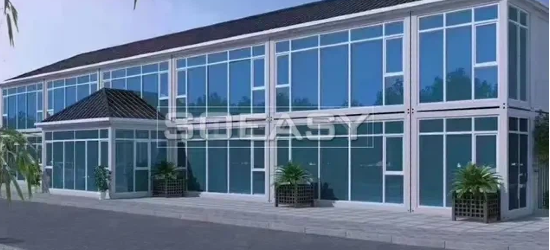
Versatility and Multi-Use Applications
Container offices aren’t just limited to traditional office spaces—they can be used for a wide variety of purposes across industries. Here are a few examples:
1. Construction Sites and Remote Locations
Container offices are particularly beneficial for industries like construction, where there is often a need for temporary office spaces on job sites. These offices can be quickly transported and set up, providing workers and managers with a comfortable, functional space to conduct meetings, manage paperwork, and store tools and equipment.
In remote locations, where building materials and labor might be difficult to transport, container offices are an excellent solution. They provide an easy, cost-effective way to create functional offices in places that would otherwise lack infrastructure.
2. Pop-Up Shops and Temporary Workspaces
Container offices are also ideal for temporary businesses or pop-up shops. Whether you need a temporary retail space, an exhibition booth, or a mobile customer service center, container offices can be easily customized to suit the specific needs of the business. Their portability means they can be relocated to different areas or events as needed.
3. Student Housing and Community Centers
Beyond office use, container structures can also be converted into student housing, community centers, or temporary shelters in disaster-stricken areas. The versatility of containers allows them to be used for housing, classrooms, or emergency relief units, providing a quick and efficient solution in areas where traditional infrastructure is lacking.
The Future of Container Offices
As the world continues to prioritize sustainability and resource efficiency, container offices are likely to play an even more significant role in the future of workspace design. They offer businesses the opportunity to reduce their environmental impact while still providing functional, comfortable workspaces.
In the coming years, we can expect to see further advancements in container office technology, such as smart systems for energy management, eco-friendly materials, and modular designs that enhance scalability. Additionally, as urban areas continue to experience growth and land availability becomes more scarce, container offices may become a more prevalent solution for businesses in need of quick, adaptable, and sustainable office spaces.
Conclusion
Container offices offer a unique combination of sustainability, affordability, and flexibility, making them a forward-thinking solution for modern businesses. By repurposing shipping containers, businesses can reduce construction waste, lower carbon footprints, and create energy-efficient workspaces that are both cost-effective and adaptable. Whether you need a temporary office on a construction site, a mobile business space, or a permanent office solution, container offices provide a practical, eco-friendly choice for today’s dynamic business environment.
As more companies seek to embrace sustainability and reduce costs, container offices will continue to rise in popularity, proving that a small, adaptable workspace can make a big impact on the future of business operations and urban development.


