Introduction
A prefabricated house, often called a prefab home, represents one of the most innovative shifts in modern residential construction. Built off-site in a controlled factory environment and then transported for final assembly, prefabricated houses are revolutionizing the way people think about homebuilding. Instead of months of on-site labor and unpredictable costs, this method offers speed, precision, and efficiency. With rising urbanization, sustainability demands, and housing shortages, prefabricated housing has become a practical and sustainable solution for families and developers alike.
In this guide, we will explore what a prefabricated house is, how it’s made, its core benefits, various types, cost structures, and how it compares to traditional homes. Whether you’re a potential homeowner or a construction professional, this article offers a clear and detailed understanding of the prefabricated housing model.
Defining a Prefabricated House
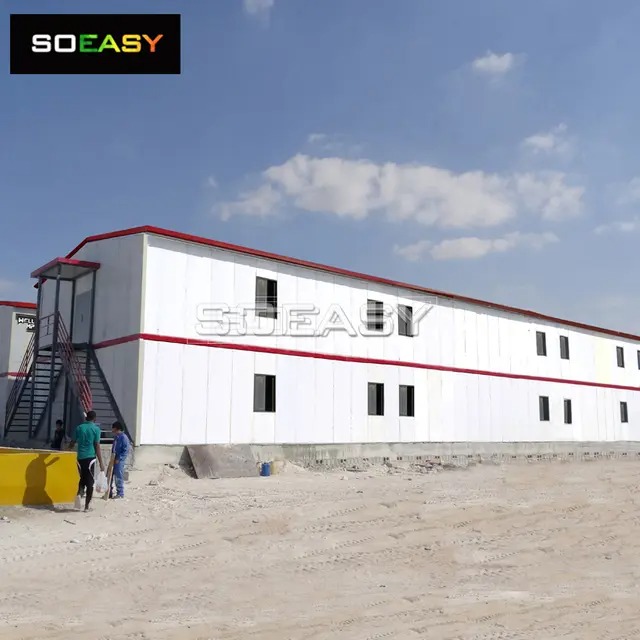
A prefabricated house is a residential structure that is manufactured in components or modules within a factory before being assembled on-site. Unlike traditional construction, where every step takes place at the final location, prefab houses are built under controlled conditions, ensuring accuracy and reduced waste.
These structures can be partially or completely assembled off-site. Once completed, the components—such as walls, floors, or entire room modules—are shipped and assembled on the foundation at the final site. Prefabricated homes adhere to strict engineering and safety standards, just like conventional buildings.
| Feature | Traditional House | Prefabricated House |
| Construction Site | Fully built on-site | Partly or fully built in factory |
| Build Time | 6–12 months | 1–4 months |
| Material Waste | High | Minimal |
| Quality Control | Variable | Consistent |
| Cost Predictability | Often fluctuates | Highly predictable |
This approach eliminates many inefficiencies of traditional construction and aligns perfectly with the demands of the 21st-century homeowner.
How Prefabricated Houses Are Built
The process of building a prefabricated house involves several systematic steps that prioritize efficiency and precision. Below is a breakdown of the typical construction process:
Step 1: Design and Planning
Every prefab project starts with digital architectural modeling, often using Building Information Modeling (BIM). This allows designers to plan every structural and aesthetic detail before production begins. Clients can customize layout, materials, and finishes.
Step 2: Factory Manufacturing
Once the design is finalized, production begins in a controlled factory environment. Skilled workers and automated machinery fabricate walls, flooring systems, and roof sections. Materials are stored safely, preventing weather-related delays or damage.
Step 3: Quality Inspection
Each module or component undergoes strict quality control tests for structural stability, insulation, and finishing. This ensures that by the time modules are shipped, they meet building codes and standards.
Step 4: Transportation and Assembly
The modules are transported to the final building site using trucks or cranes. Assembly is quick—usually taking days instead of months. Once secured on the foundation, utility connections and interior finishes are completed.
| Phase | Duration (Approx.) | Key Tasks |
| Design | 1-2 weeks | Layout & customization |
| Factory Production | 2-3 weeks | Module fabrication |
| Transport | 1 week | Delivery to site |
| Assembly | 1–3 weeks | On-site setup |
| Finishing | 2–4 weeks | Interior & inspection |
The entire process is typically 50–70% faster than conventional homebuilding, making it ideal for time-sensitive projects.
Types of Prefabricated Houses
Prefabricated housing is not one-size-fits-all. Several types cater to different budgets, aesthetics, and technical needs.
1. Modular Homes
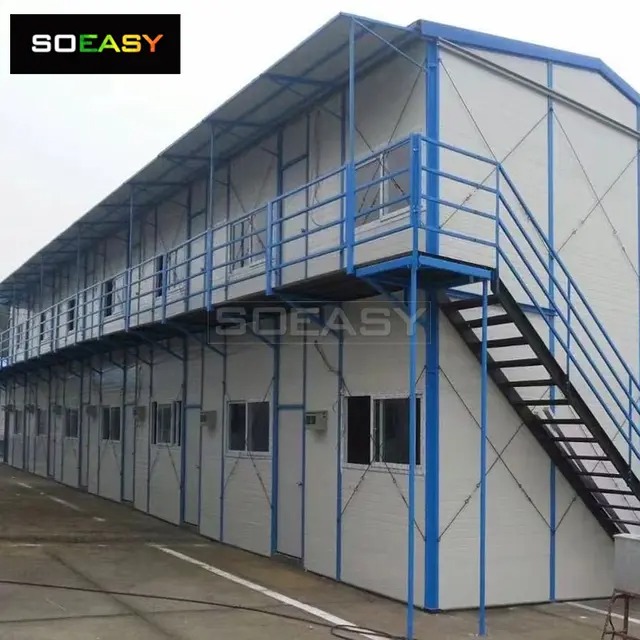
These are constructed in multiple modules that are assembled on-site. Modular homes look identical to traditional homes but offer faster build times and superior energy efficiency.
2. Panelized Homes
Panelized construction involves prefabricating wall and floor panels that are then assembled on-site. It allows more flexibility in design but requires more on-site work compared to modular construction.
3. Pre-Cut or Kit Homes
In this type, all parts—beams, walls, and connectors—are pre-measured and shipped in a kit. Homeowners or contractors assemble the structure on location.
4. Container Homes
Recycled shipping containers are used as the base structure, offering a sustainable and affordable solution. Container homes are especially popular for minimalist or eco-conscious designs.
| Type | Main Feature | On-site Work | Typical Use |
| Modular | Entire modules built in factory | Minimal | Residential |
| Panelized | Wall & floor panels | Moderate | Residential/Commercial |
| Pre-cut Kit | DIY assembly | High | Budget/DIY homes |
| Container | Uses shipping containers | Low | Eco/Modern homes |
Advantages of Prefabricated Houses
Prefabricated houses have numerous advantages that make them increasingly attractive to homeowners, investors, and developers.
1. Speed and Efficiency
Prefab houses can be completed up to 60% faster than traditional homes. The controlled factory environment eliminates weather delays and labor shortages.
2. Cost Predictability
Because most of the work occurs off-site, costs are more predictable. Material purchasing, labor hours, and design plans are fixed early in the process.
3. Sustainability
Prefabrication minimizes waste and uses eco-friendly materials. Many prefab homes incorporate solar systems, rainwater harvesting, and energy-efficient insulation.
4. High Quality and Durability
Factory precision ensures each module meets engineering standards. The controlled conditions prevent moisture damage and structural defects.
5. Design Flexibility
Modern prefab designs can be customized to match any architectural style—from minimalist Scandinavian to classic suburban homes.
Disadvantages and Limitations
Although prefabricated houses offer many benefits, they are not without challenges.
Transportation Costs: Large modules require specialized transport, sometimes leading to high delivery costs for remote sites.
Zoning Restrictions: Some municipalities still have outdated zoning regulations that restrict prefab structures.
Limited Customization Post-Design: Once production begins, making changes can be difficult or costly.
Financing Complexity: Not all banks are familiar with prefab financing, though this is improving rapidly.
Land Preparation: A proper foundation and utility setup are still required before installation.
Understanding these constraints helps homeowners make informed decisions before committing to a prefabricated construction project.
Cost Breakdown of a Prefabricated House
Cost is one of the main attractions of prefabricated houses. However, expenses can vary based on design, materials, and location.
| Component | Cost Range (USD per sq. ft.) | Notes |
| Design & Engineering | $10 – $20 | Includes architectural planning |
| Factory Construction | $80 – $200 | Depends on materials & finish quality |
| Transportation | $10 – $20 | Based on distance & size |
| On-site Assembly | $10 – $30 | Includes labor & installation |
| Finishing & Utilities | $20 – $50 | Plumbing, electricity, interiors |
Average total cost: $150 – $400 per square foot.
In contrast, traditional construction can range between $500 – $1000 per square foot depending on materials and labor.
Prefab homes also help save money through reduced waste, lower energy bills, and quicker occupancy, which can shorten loan interest periods.
Prefabricated House vs. Traditional House
| Factor | Prefabricated House | Traditional House |
| Construction Speed | 1–4 months | 6–12 months |
| Cost Efficiency | 10–30% cheaper | Costly & variable |
| Quality Control | Factory tested | Depends on contractors |
| Environmental Impact | Low waste, energy-efficient | High waste, slower process |
| Maintenance | Easier, standardized parts | Variable, custom parts |
| Customization | High (pre-design stage) | High (on-site flexibility) |
While traditional houses offer full on-site customization, prefabricated homes deliver precision, consistency, and sustainability—qualities increasingly valued in modern construction.
The Future of Prefabricated Houses
The future of prefabricated housing is being shaped by technological innovation and environmental responsibility. Advances such as 3D printing, robotic assembly, and smart materials are pushing prefab construction into a new era.
Developers are using AI to optimize layouts and energy performance, while governments in many countries are promoting prefab housing as a response to housing shortages and carbon reduction goals.
Prefab homes are also entering luxury markets, with designs that rival custom-built estates in aesthetics and comfort. The combination of speed, efficiency, and sustainability positions prefabricated housing as a cornerstone of future urban development.
Conclusion
A prefabricated house represents far more than an alternative to traditional building—it is a reimagining of the entire home construction process. By leveraging off-site manufacturing, advanced engineering, and sustainable materials, prefab homes deliver high quality, reduced costs, and rapid completion.
As the demand for efficient, eco-friendly living spaces grows worldwide, prefabricated housing continues to prove that smart design and responsible construction can coexist seamlessly. For anyone considering building a new home, exploring prefabricated options may be the smartest step toward modern, sustainable living.
FAQ
1. Are prefabricated houses durable?
Yes. Prefabricated houses are built to meet or exceed building codes. Many are even more durable than traditional homes due to strict factory quality control.
2. How long does it take to build a prefabricated house?
Depending on size and design, a prefab home can be completed within 2 to 4 months—significantly faster than conventional construction.
3. Can I customize the design of my prefab home?
Absolutely. Most manufacturers offer extensive customization options for layout, finishes, and materials, especially during the design phase.
4. Are prefabricated houses environmentally friendly?
Yes. Prefab houses generate less waste, use energy-efficient materials, and can easily incorporate renewable energy systems.
5. How long do prefabricated homes last?
With proper maintenance, prefabricated houses can last 50 years or more—comparable to or even exceeding traditional homes.


