Introduction
A container house represents a growing trend in modern architecture — a blend of sustainability, flexibility, and affordability. Built from repurposed shipping containers, these structures promise a faster and often cheaper path to homeownership. However, despite their mobility and modular design, container homes are not as “portable” as they might appear. You cannot simply place your container house anywhere you please. Several factors — from zoning laws and building codes to infrastructure access and land stability — determine where you can legally and safely install one. Understanding these regulations and site considerations is crucial for anyone looking to transform a steel box into a dream living space.
Zoning Laws: The First Gatekeeper for Container House Placement
When deciding where to place a container house, zoning laws are the first and most restrictive hurdle. Every region, from large cities to small rural towns, enforces its own zoning ordinances that specify how land can be used.
Zoning regulations typically divide land into categories like residential, commercial, industrial, or agricultural. A container house can usually be built in areas zoned for residential use, but that’s not always guaranteed.
Common Zoning Restrictions
| Zoning Type | Container House Allowed? | Key Requirements |
| Residential | Sometimes | Must meet building codes and appearance standards |
| Agricultural | Often | Usually allowed if the home supports farm use |
| Commercial | Rarely | Only with special permits |
| Industrial | Occasionally | For office or mixed-use conversions |
If your land isn’t zoned appropriately, you may apply for a zoning variance or special use permit. These applications often require public hearings and neighbor approval. It’s critical to consult local planning departments early in your project to avoid costly rejections.
Building Codes: Meeting Safety and Structural Standards
Even if zoning permits a container house, building codes dictate how the structure must be designed, built, and maintained. These codes ensure safety, habitability, and environmental standards are met — just like with any conventional home.
Key Building Code Factors for Container Houses
Structural Integrity – Containers are strong, but modifications like cutting for windows or doors can compromise load-bearing capacity. Reinforcement is often required.
Insulation and Ventilation – Steel conducts heat and cold. Proper insulation (spray foam, panels, or eco-materials) must meet local energy efficiency codes.
Foundation Requirements – Most jurisdictions require permanent or semi-permanent foundations, such as concrete piers or slabs.
Plumbing and Electrical Standards – Must comply with state and national safety codes.
Fire Safety Regulations – Fire-rated coatings or barriers may be required, especially for stacked or multi-container units.
Neglecting these standards can lead to fines, forced removal, or even safety hazards. Partnering with an architect experienced in modular and container-based construction ensures compliance and a smoother approval process.
Land Ownership and Permission: The Legal Foundation
A container house cannot legally be placed on land you do not own or lease. Ownership rights determine whether you have authority to build or park a structure. Even when you own the land, there are additional permissions to secure.
For example:
HOA Restrictions: Homeowners’ associations may forbid non-traditional structures like container houses due to aesthetic concerns.
Easements and Rights-of-Way: These can limit where on your property you can build.
Utility Access: You’ll need permission or connections for electricity, water, and sewage.
| Legal Consideration | Why It Matters |
| Land Ownership | Determines your right to build or place any structure |
| HOA/Community Rules | May restrict design or materials |
| Easements | Limit usable space on your property |
| Utility Access | Essential for habitability and code compliance |
Failing to verify these can result in legal disputes or even forced removal of your home.
Infrastructure and Utility Access: Beyond Just Land Space
A container house may look minimalistic, but it still requires modern infrastructure. Before setting it anywhere, you need to evaluate the accessibility of utilities and essential services.
Key Infrastructure Considerations
Electricity and Water: Most municipalities require proof of safe utility connections before granting occupancy.
Sewage Systems: If not on a municipal grid, you may need to install a septic tank system.
Road Access: You’ll need a route for the container delivery truck and emergency vehicles.
Internet and Connectivity: In remote areas, broadband or cellular coverage can be limited.
If utilities are unavailable, off-grid solutions like solar panels, rainwater collection, and composting toilets may be possible. However, these options must still meet health and environmental codes, especially if you intend to live there full-time.
Land Type and Site Conditions: Choosing a Safe and Stable Location
Even with permission and infrastructure, the physical condition of the land plays a major role in determining where a container house can go. Containers require stable, well-drained land to prevent shifting and corrosion.
Ideal Land Characteristics
| Site Factor | Recommended Condition | Why It’s Important |
| Soil Stability | Firm, non-expansive soil | Prevents sinking or tilting |
| Drainage | Sloped or well-draining | Avoids rust and foundation damage |
| Elevation | Above flood zones | Reduces water-related risks |
| Accessibility | Flat or gently sloped | Easier delivery and construction |
Environmental assessments are often required in regions prone to flooding, earthquakes, or heavy snowfall. A professional land survey ensures you’re not investing in a location that’s unstable or unbuildable.
Temporary vs. Permanent Placement: Understanding Mobility Limits
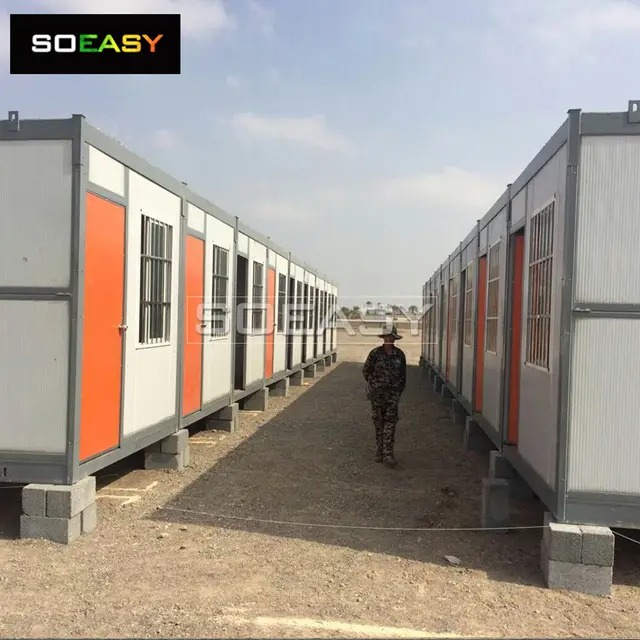
One of the most common misconceptions about container houses is that they are entirely mobile. While technically portable, most jurisdictions treat them as permanent structures once connected to utilities or anchored to a foundation.
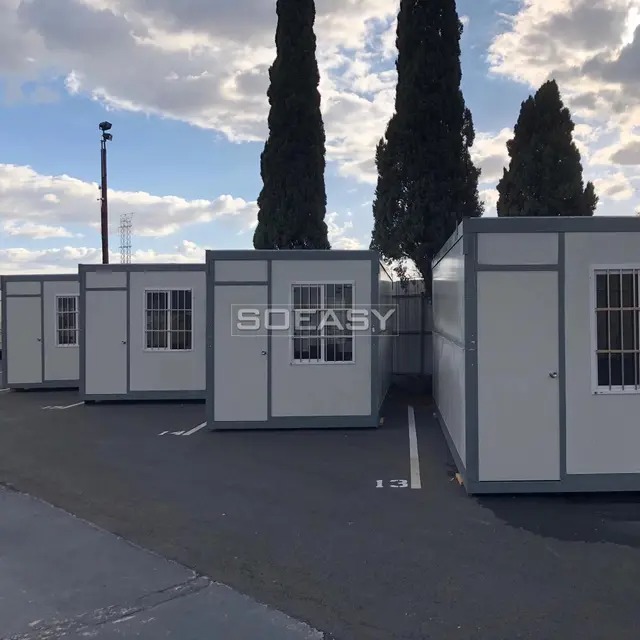
Temporary Placement: Allowed for short-term use, like construction site offices or seasonal housing. Usually exempt from full building permits but time-limited.
Permanent Placement: Treated as traditional housing, requiring all standard permits and inspections.
If your goal is a fully mobile lifestyle, consider tiny homes on wheels (THOWs) instead of fixed container houses. The distinction determines how — and where — you can legally live.
Cost and Practical Implications of Location Choice
Location not only affects legality but also impacts your construction costs, comfort, and resale value. Urban areas might have strict codes but better infrastructure. Rural areas are more flexible but may require expensive self-sufficiency systems.
| Location Type | Advantages | Challenges |
| Urban/Suburban | Easy access to utilities and services | Stricter zoning and higher permit costs |
| Rural | Fewer regulations, lower land prices | Infrastructure costs, limited access |
| Coastal | Scenic views, tourism potential | Corrosion risk, environmental restrictions |
| Mountainous | Privacy and views | Transport challenges, foundation complexity |
Balancing regulatory feasibility with lifestyle goals is key to maximizing your investment.
Navigating Permits and Approvals: Step-by-Step Guide
Successfully placing your container house requires navigating a bureaucratic maze of permits. Skipping this process can result in costly fines or demolition orders.
Step-by-Step Process
Land Verification: Confirm zoning compatibility and ownership rights.
Site Survey: Conduct environmental and soil assessments.
Design Submission: Hire an architect or engineer to draft compliant plans.
Permit Application: Submit plans to local authorities for review.
Inspections: Expect periodic inspections during construction.
Final Approval: Receive a certificate of occupancy before moving in.
Hiring local professionals familiar with modular housing can significantly speed up this process and prevent paperwork delays.
Conclusion
You cannot put your container house just anywhere. Although they promise flexibility and mobility, container homes are still subject to zoning laws, building codes, and infrastructure requirements. The ideal site balances legal compliance, accessibility, safety, and practicality. By researching local regulations, consulting professionals, and carefully evaluating land conditions, you can ensure your container house stands on solid — and legal — ground.
FAQ
1. Can I put a container house on agricultural land?
Yes, many agricultural zones allow container homes, especially if used for on-site housing or farm operations. However, you still need permits and must meet building codes.
2. Do I need a foundation for a container house?
In most cases, yes. Local regulations usually require a foundation to ensure stability and safety, even for single-container structures.
3. Can I live off-grid in a container home?
Yes, with proper systems like solar panels and septic solutions. However, local environmental and health codes still apply.
4. How do I find out if my land is zoned for container housing?
Contact your local planning or zoning department. They can provide zoning maps and guidance on allowable structures.
5. What happens if I place a container house without permission?
Unauthorized placement can lead to fines, legal disputes, or mandatory removal. Always secure the proper permits before installation.


