
Author: Site Editor Publish Time: 2025-10-17 Origin: Site


Living in a container house is no longer a futuristic or experimental concept. Around the world, people are turning steel shipping containers into fully functional homes that rival traditional housing in comfort, sustainability, and affordability. A container house offers a creative response to the global housing shortage and an environmentally conscious alternative to conventional construction. Yet, many still wonder if such a lifestyle is truly viable — not just for short stays or studios, but for long-term living. This article explores the practical realities, benefits, limitations, and requirements of living in a container house, providing you with all the information needed to determine if this innovative living solution suits your lifestyle.
A container house is a residential structure built from repurposed steel shipping containers. These modular units, originally designed to carry goods across oceans, can be modified with insulation, windows, doors, plumbing, and electrical systems to create livable spaces. Depending on the design, a container house can be a single 20-foot or 40-foot container or a combination of multiple containers stacked or arranged side by side.
Unlike prefabricated or tiny homes, container houses have the unique advantage of structural integrity — they are designed to withstand harsh marine environments and heavy stacking. When properly modified, they can comply with residential building codes and provide the same comfort as a brick-and-mortar home. However, creating a truly livable container home requires thoughtful design, engineering, and planning to address insulation, ventilation, and zoning regulations.
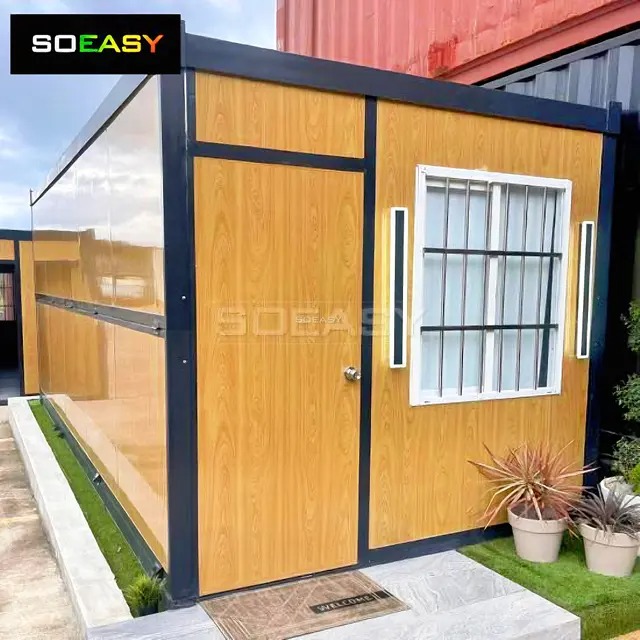
Before you consider living in a container house, you must first understand the legal landscape. The ability to live in a container house depends heavily on local building codes and zoning regulations. Some regions welcome alternative housing, while others have strict rules regarding non-traditional structures.
| Aspect | Details |
|---|---|
| Building Codes | Determine whether container homes meet residential safety standards for electrical, plumbing, and insulation. |
| Zoning Laws | Specify where container houses can be placed — rural, suburban, or urban areas may have different restrictions. |
| Permits | Required for modifications, foundation installation, and connections to utilities. |
| Temporary vs. Permanent Use | Some regions only allow container houses as temporary dwellings or accessory units. |
Before construction, consult local authorities or hire a container home specialist familiar with your region’s legal framework. In many parts of the U.S., Europe, and Australia, container homes are increasingly being accepted, provided they meet local codes and safety requirements.
A major concern for potential homeowners is comfort — especially temperature regulation and livability throughout the seasons. A container house can absolutely be comfortable, but it depends on how well it’s designed and insulated.
Shipping containers are made of steel, which conducts heat and cold quickly. Without proper insulation, a container house can become unbearably hot in summer and freezing in winter. Solutions include:
Spray foam insulation for airtight coverage.
Rigid foam boards for added moisture resistance.
Insulated wall panels for easy installation.
Ventilation systems such as heat recovery ventilators (HRVs) to maintain air quality.
Insulating for sound is equally important, especially in urban settings. Combining insulation materials with interior wall finishes, like drywall or plywood, significantly reduces noise and creates a warm, home-like interior. With proper design, container houses can be as quiet and comfortable as any traditional home.
A container house can be a cost-effective housing solution, but it’s not automatically cheap. The total cost varies depending on size, design complexity, and location.
| Expense Category | Approximate Range (USD) |
|---|---|
| Used 40-ft Container | $2,500 – $5,000 |
| Structural Modifications | $10,000 – $30,000 |
| Insulation & Finishing | $5,000 – $15,000 |
| Plumbing & Electrical | $7,000 – $20,000 |
| Foundation & Site Work | $3,000 – $10,000 |
| Permits & Inspections | $1,000 – $5,000 |
| Total Estimated Cost | $30,000 – $100,000+ |
While these costs can be significantly lower than building a traditional home, unexpected expenses often arise from customization, building codes, or foundation work. DIY builders can reduce labor costs, but professional help ensures structural safety and long-term durability.
A container house aligns perfectly with sustainable living goals. It gives new life to decommissioned shipping containers and reduces the demand for traditional construction materials, such as bricks and concrete.
Recycling and Reuse: Each reused container saves approximately 7,000 pounds of steel.
Reduced Construction Waste: Prefabrication minimizes material waste and site disturbance.
Energy Efficiency: Well-insulated designs can achieve low energy consumption comparable to green-certified homes.
Smaller Carbon Footprint: Less concrete and wood use lowers embodied energy.
However, sustainability depends on how the container is modified. Poor insulation, toxic paints, or inefficient layouts can offset the ecological benefits. For maximum sustainability, use non-toxic coatings, renewable energy sources (like solar panels), and sustainable interior materials such as bamboo or reclaimed wood.
One of the most exciting aspects of container living is design flexibility. Container houses can be minimalist or luxurious, compact or expansive. Their modular nature allows creative stacking, spacing, and connection of units.
Single-Container Homes: Perfect for studios or minimalist living.
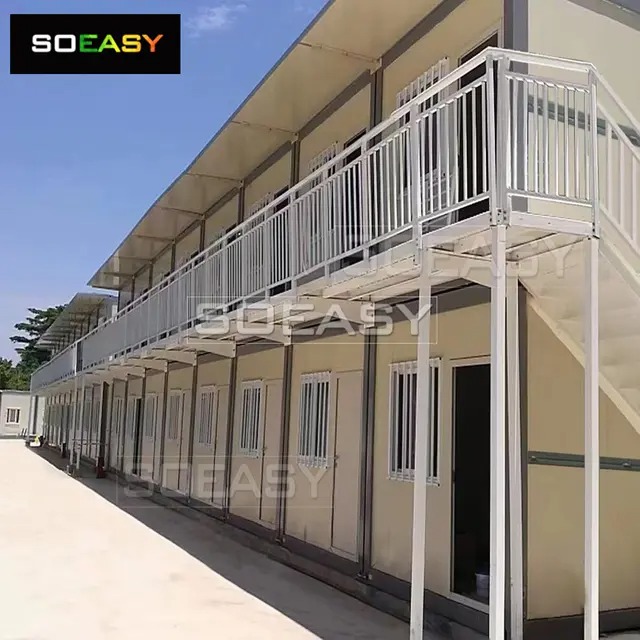
Multi-Container Residences: Combine containers for larger floor areas and multi-room layouts.
Hybrid Designs: Integrate containers with traditional construction elements (wood or glass facades).
Off-Grid Container Cabins: Equipped with solar power and rainwater systems for remote living.
Architects and DIY enthusiasts alike love container houses for their geometric appeal and modern industrial aesthetic. With the right interior design, you can achieve anything from cozy rustic to high-end contemporary styles.
While container homes offer many benefits, they also come with unique challenges that potential residents should consider carefully.
Cutting large openings for windows or doors can weaken the structure, requiring reinforcement.
Limited interior width (typically 8 feet) may restrict layout flexibility.
Condensation is a real problem if ventilation is poor.
Steel expands and contracts with temperature changes, affecting comfort.
Traditional lenders and insurers may hesitate to support container houses due to unfamiliarity.
Appraisal values can vary widely, making resale more complex.
Understanding these challenges early allows you to design solutions from the start — ensuring that your container home remains safe, efficient, and durable for years.
If you decide that living in a container house suits your lifestyle, here’s a step-by-step roadmap to make it happen:
Research Local Regulations: Confirm if container homes are allowed in your area.
Plan and Design: Choose your layout, number of containers, and energy systems.
Prepare the Site: Install a solid foundation and utilities.
Modify Containers: Cut openings, add insulation, and fit structural reinforcements.
Install Systems: Add plumbing, wiring, HVAC, and fixtures.
Finish Interiors: Apply finishes, flooring, and furniture.
Inspection and Move-In: Obtain certifications before occupying.
Building a container home can take between 3–9 months depending on scale and complexity. Working with specialized architects or contractors can streamline the process and ensure code compliance.
You can live in a container house, and many people around the world already do. It’s a practical, sustainable, and customizable housing solution that bridges affordability with modern design. However, comfort, legality, and cost depend entirely on how well the house is planned and executed. If you value creativity, eco-conscious living, and financial flexibility, a container house can offer a truly rewarding lifestyle. But success requires realistic budgeting, compliance with regulations, and careful attention to construction details. When done right, a container home isn’t just livable — it’s a bold expression of modern, sustainable living.
1. How long does a container house last?
A well-maintained container house can last 25 to 50 years or longer. Proper rust treatment, paint protection, and weatherproofing significantly extend its lifespan.
2. Can a container house withstand extreme weather?
Yes, container houses are structurally strong and can handle hurricanes, earthquakes, and heavy snow if reinforced and properly anchored to a foundation.
3. Is it cheaper to build a container house than a traditional home?
Generally, yes. Container houses can cost 30–50% less, depending on location and design complexity. However, advanced finishes or off-grid systems can increase costs.
4. Are container houses safe for families?
Absolutely. When built according to residential codes with proper insulation and ventilation, container houses are as safe and healthy as any conventional home.
5. Can you move a container house?
Some container homes are designed to be mobile, while others are permanently fixed to a foundation. Mobile versions are great for remote or temporary living.


