Introduction
The concept of the Prefab camp house is transforming how people experience outdoor living and temporary accommodation. No longer limited to tents or traditional wooden cabins, prefab camp houses combine modern engineering with modular convenience, offering durable, eco-friendly, and comfortable shelters that can be installed anywhere—from mountain retreats to seaside resorts. Built in controlled factory environments and transported to the site for quick assembly, these structures redefine flexibility in both design and function. Understanding what a Prefab camp house truly is means exploring its components, advantages, and why it has become a leading solution for outdoor enthusiasts, developers, and eco-resorts worldwide.
Defining the Prefab Camp House
A Prefab camp house (short for “prefabricated camp house”) refers to a modular building designed for temporary or semi-permanent living, built off-site and then transported to its final location. The term prefabricated means that the majority of construction takes place in a controlled factory environment—allowing precision, cost control, and high-quality materials—before being assembled on-site within days rather than months.
Unlike traditional cabins or concrete structures, prefab camp houses are engineered for efficiency and adaptability. They can range from compact single-room pods for weekend camping to larger family-sized lodges complete with bathrooms, kitchens, and solar systems. The result is a balance between comfort and mobility—providing a durable home-like experience even in remote locations.
| Feature | Traditional Cabin | Prefab Camp House |
| Construction Site | Fully on-site | Built in factory, assembled on-site |
| Setup Time | Months | Days to weeks |
| Cost Predictability | Variable | Highly controlled |
| Mobility | Fixed | Portable/modular |
| Sustainability | Moderate | High (eco-materials, waste reduction) |
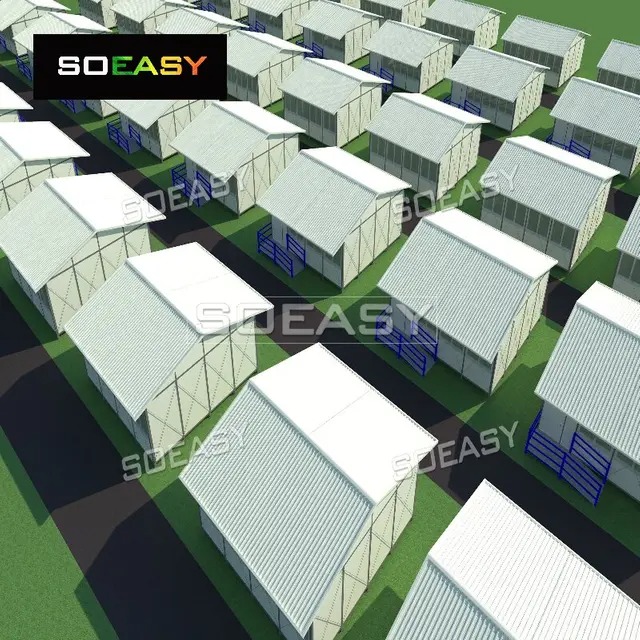
Core Components and Materials Used in Prefab Camp Houses
A high-quality Prefab camp house integrates several modern materials and systems that make it robust, lightweight, and environmentally efficient. The structure usually includes a steel or aluminum frame for strength and portability, insulated wall panels for temperature regulation, and modular flooring systems for easy installation.
Typical materials and design components include:
Structural Frame: Galvanized steel or aluminum for anti-corrosion and long life.
Wall Panels: Sandwich panels made from EPS, PU, or rock wool for insulation.
Exterior Finish: Optional wood veneer, composite panels, or eco-coating for aesthetics.
Roofing: Lightweight waterproof panels suitable for all climates.
Utilities Integration: Pre-installed electrical wiring, plumbing, and HVAC systems.
| Material Type | Purpose | Benefits |
| EPS Sandwich Panels | Wall insulation | Lightweight, affordable, easy to install |
| Steel Frame | Structural support | Durable and anti-seismic |
| Wooden Cladding | Aesthetic finish | Natural look, customizable |
| Solar Integration | Energy supply | Sustainable and off-grid ready |
The integration of modern materials makes prefab houses suitable for diverse environments—mountain camps, beaches, deserts, or forests—without compromising comfort.
How Prefab Camp Houses Are Built and Installed
The construction process of a Prefab camp house differs radically from traditional on-site building. It follows a three-phase modular workflow: design, factory fabrication, and on-site assembly.
Step 1: Modular Design and Planning
The process starts with architectural design, where engineers and clients determine the layout, size, and purpose of the camp house. Digital modeling (BIM) ensures precise measurements and material optimization.
Step 2: Factory Fabrication
Each module—walls, floors, roofs, and service systems—is manufactured in a controlled environment. This ensures consistent quality, minimal material waste, and compliance with safety standards. Because the components are built indoors, weather delays and defects are nearly eliminated.
Step 3: Transportation and On-Site Assembly
Once completed, the modules are shipped to the site in flat-pack or volumetric form. A small team assembles the house using cranes or manual fitting tools. Depending on the model, the entire process can take between one day and two weeks.
This rapid, efficient setup process makes prefab camp houses ideal for temporary resorts, disaster relief zones, or mobile tourism developments.
Advantages of Prefab Camp Houses Over Traditional Construction
The global popularity of Prefab camp houses stems from their significant practical advantages compared to conventional building methods.
a. Speed and Efficiency
Prefab modules can be produced while the site is being prepared, effectively cutting construction time by up to 60%. This time advantage is particularly valuable for seasonal resorts or government projects with strict deadlines.
b. Cost Control
Factory-based production eliminates many hidden expenses such as weather delays, waste, and excessive labor costs. Buyers receive a clear and predictable cost structure, often 20–40% cheaper than traditional housing.
c. Environmental Sustainability
Prefab camp houses use eco-friendly materials and minimize on-site waste. Many models include options for solar power, rainwater harvesting, and natural ventilation, reducing their carbon footprint significantly.
d. Mobility and Flexibility
Unlike fixed buildings, prefab camp houses can be relocated or reconfigured. This flexibility appeals to glamping businesses, developers, and individuals who want scalable, modular living solutions.
e. Durability and Safety
Despite being portable, modern prefab houses meet international safety codes, offering wind and earthquake resistance, fireproof panels, and weather-resistant structures.
Types of Prefab Camp Houses
Prefab camp houses come in various designs to serve different purposes—from leisure travel to semi-permanent housing. Below are the most common categories:
| Type | Description | Best Use Case |
| Foldable Cabin | Compact unit that can be unfolded on site | Temporary camps, mobile tourism |
| Container House | Modified shipping container with full amenities | Construction sites, emergency housing |
| Modular Lodge | Large multi-module structure | Eco-resorts, family vacation homes |
| Glamping Pod | Luxury small-scale unit with aesthetic design | Boutique camping, outdoor retreats |
| Off-Grid Cabin | Equipped with solar panels and self-sustaining systems | Remote or eco-sensitive areas |
Each type of Prefab camp house serves specific needs depending on portability, budget, and intended duration of use.
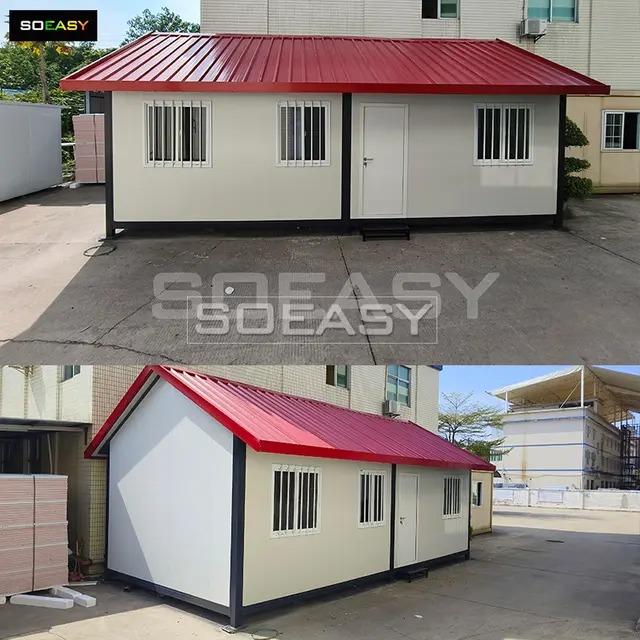
Prefab Camp House vs. Traditional Cabin: A Comparative Perspective
Understanding what a Prefab camp house truly offers becomes clearer when compared directly with traditional wooden cabins or brick structures.
Construction Time and Cost
Prefab houses can be manufactured and assembled within weeks, whereas traditional cabins can take months. Moreover, prefab manufacturing significantly reduces waste and cost variability.
Design Flexibility
While traditional cabins require on-site customization, prefab units are modular and expandable. Homeowners can add sections or modify interiors with ease.
Eco-Impact
Prefab systems use recyclable materials and minimal water consumption during assembly, whereas conventional construction often produces high carbon emissions and debris.
Longevity
Contrary to the misconception, high-grade prefab camp houses can last over 30 years with proper maintenance, rivaling permanent structures in durability.
Modern Applications of Prefab Camp Houses
Prefab camp houses are no longer limited to outdoor tourism. They have become essential across multiple industries and social needs.
a. Tourism and Hospitality
Luxury glamping sites and eco-resorts use prefab units to create stylish accommodations in remote areas without damaging the environment.
b. Remote Workforce Housing
Mining, construction, and oil industries rely on prefab housing to provide quick and comfortable shelters for workers in isolated regions.
c. Emergency and Disaster Relief
In post-disaster areas, Prefab camp houses serve as temporary shelters for displaced families due to their rapid installation and resilience.
d. Educational or Healthcare Facilities
Portable prefab units are also used as mobile classrooms, clinics, or labs in rural or developing regions.
This multi-purpose adaptability has positioned prefab camp houses as one of the most versatile innovations in modular architecture.
Future Trends in Prefab Camp House Design
The future of Prefab camp houses lies in smart integration, sustainability, and design innovation. Several trends are shaping the next generation of these structures:
Smart Technology Integration: Prefab units equipped with IoT-enabled systems for lighting, temperature, and security control.
Zero-Energy Design: Incorporating renewable energy sources such as solar roofs and wind micro-turbines.
Biophilic Design: Blending architecture with natural surroundings using organic materials and large glass facades.
3D Printing Integration: Emerging technology that allows customized structures to be printed directly with eco-concrete or recycled composites.
Circular Economy Practices: Prefab units designed for reuse, recycling, and reassembly across multiple sites.
These innovations ensure that Prefab camp houses remain a leading sustainable housing solution for the decades to come.
Conclusion
A Prefab camp house represents far more than a temporary structure—it is a symbol of efficiency, innovation, and environmental consciousness. By merging advanced prefabrication technology with eco-friendly design, these modular homes deliver the ideal balance of comfort and mobility. Whether used for glamping resorts, emergency housing, or personal retreats, prefab camp houses stand as a forward-thinking answer to modern living challenges. As global demand for sustainable and flexible housing continues to grow, the Prefab camp house will remain at the heart of this architectural revolution.
FAQ
1. How long does it take to build a Prefab camp house?
Most Prefab camp houses can be completed within 1–3 weeks, depending on design complexity and site preparation.
2. Are Prefab camp houses durable for long-term use?
Yes. With high-quality materials such as steel frames and insulated panels, they can last 25–30 years or more.
3. Can I customize the design of my Prefab camp house?
Absolutely. Prefab systems allow full customization of layout, materials, color, and interior features.
4. Are Prefab camp houses eco-friendly?
Yes. They minimize waste, support energy efficiency, and can integrate solar power and sustainable water systems.
5. What is the cost range for a Prefab camp house?
Depending on size and features, prices typically range from $10,000 to $80,000, making them affordable compared to traditional cabins.


