In today’s fast-paced business world, flexibility, cost-efficiency, and sustainability are top priorities for companies of all sizes. Whether you’re a startup, a large corporation, or a construction company, creating an efficient, functional, and comfortable workspace is essential. Traditional office spaces, while still popular, often come with high costs and lengthy construction timelines. An increasingly popular solution that’s gaining traction in various industries is the use of container offices.
Container offices are converted shipping containers, designed to offer a portable, customizable, and affordable workspace solution. These modified containers are now being used for various purposes, from temporary offices to permanent workspaces, especially in construction sites, remote locations, and companies looking for flexibility in their office setup. In this article, we’ll explore the many benefits of using container offices for modern workspaces, focusing on their cost-effectiveness, adaptability, environmental sustainability, and overall functionality.
What is a Container Office?
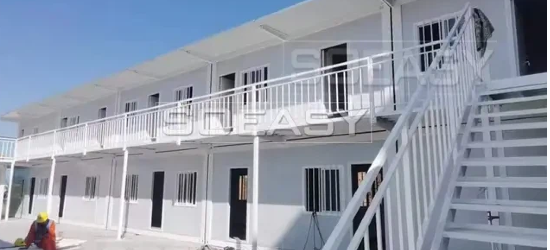
A container office is typically a converted shipping container that has been modified to function as an office space. Shipping containers are large, durable metal boxes originally designed to transport goods by sea, air, or land. With modifications, these containers can be transformed into fully functional workspaces, complete with electrical systems, insulation, ventilation, and windows. They can be used for everything from temporary construction site offices to permanent offices in urban settings.
Container offices are known for their versatility, and they can be customized in many ways. Businesses can modify the layout, size, and design of the container to meet their specific needs. Whether it's a simple office with basic furniture or a fully equipped workstation with meeting rooms and kitchens, container offices offer endless possibilities for design and functionality.
The Benefits of Using Container Offices for Modern Workspaces
1. Cost-Effectiveness
One of the most significant benefits of using container offices is their affordability. Traditional office buildings require a significant upfront investment for construction, land acquisition, and utilities. This process often takes months, sometimes years, before the space is ready for use. Additionally, construction costs can skyrocket depending on the location, size, and design of the office.
In contrast, container offices are a more cost-effective solution. Shipping containers are relatively inexpensive to purchase, especially compared to building an office from the ground up. Depending on the modifications, a container office can be ready for use in a fraction of the time it would take to construct a traditional office building. This makes them an ideal solution for businesses on a budget, particularly small businesses, startups, and companies operating in temporary or remote locations.
Beyond the initial purchase, container offices also save money on utilities and long-term maintenance. The simplicity of their structure means they require fewer resources for upkeep, and they can be easily relocated without major disruptions to operations.
2. Portability and Flexibility
Container offices are incredibly portable, which is one of their standout features. Because they are built from shipping containers, which are designed to be moved from one place to another, they can be easily transported and relocated. This is especially beneficial for industries like construction, mining, and event management, where the office space may need to be set up in temporary locations.
For example:
Construction companies often need an office space on site for a few months or even years, and once the project is complete, the office can be relocated to a new site.
Startups and small businesses that are still experimenting with location flexibility can benefit from container offices, which allow them to quickly change their work environment based on growing needs or changing business conditions.
Pop-up offices or temporary spaces at trade shows and exhibitions can be efficiently set up using container offices, ensuring a professional environment for short-term operations.
Moreover, container offices are available in various sizes and can be easily stacked, combined, or connected to form larger office spaces. This modular design allows businesses to expand or reduce their workspace as needed without the hassle of traditional construction.
3. Environmental Sustainability
Sustainability has become an essential consideration for businesses looking to reduce their carbon footprint. Container offices are an environmentally friendly option, primarily because they make use of recycled shipping containers, which would otherwise sit unused or end up in landfills.
By repurposing containers, businesses contribute to the reduction of waste, making this an eco-conscious choice. Additionally, container offices can be designed with sustainability in mind, incorporating energy-efficient features such as:
Solar panels for renewable energy
Green roofs for insulation and rainwater collection
LED lighting and energy-efficient HVAC systems
Recycled building materials for interior design
Because of their compact and modular nature, container offices also use fewer resources to build than traditional office spaces. This smaller environmental footprint not only reduces energy consumption but also minimizes waste generated during construction.
In industries where environmental impact is a priority, such as sustainability consulting, eco-tourism, or green building, adopting container offices aligns with corporate responsibility goals while reducing overhead costs.
4. Quick Setup and Mobility
Traditional office construction can take months or even years, especially if building from the ground up. With container offices, businesses can be up and running in a matter of days or weeks. This quick turnaround time is perfect for businesses that need to get to work as soon as possible, such as:
Temporary offices for large construction projects
Disaster relief teams that require office space in remote or disaster-stricken areas
Startups that need an office quickly but don’t have the budget for a permanent office building
Furthermore, if the need arises to move the office to another location, it can be easily transported to a new site with minimal disruption to business operations. This high degree of mobility makes container offices a perfect solution for businesses that are constantly on the move or have flexible space requirements.
5. Customizability
Container offices offer unmatched flexibility in terms of design and customization. From the size and shape to the interior layout and finish, container offices can be tailored to fit the specific needs of any business. Businesses can modify their container office to include:
Multiple rooms (e.g., meeting rooms, break rooms, and private offices)
Windows and doors for improved light and ventilation
Air conditioning or heating systems for comfort
Electrical wiring, internet connectivity, and other technological infrastructure
For companies in specialized industries, like medical offices or laboratories, the customization of a container office can also include specific utilities or features, such as sterile environments or temperature control. This makes them incredibly versatile, suitable for a wide range of industries and operational needs.
6. Security
Container offices are incredibly secure due to the materials used in their construction. Shipping containers are made from strong steel, which makes them resistant to forced entry and theft. This makes container offices a great choice for industries operating in high-risk areas or remote locations, where theft or vandalism may be a concern.
Many container offices also come equipped with security features, such as:
Heavy-duty locks and reinforced doors
Surveillance systems and motion detectors
Alarm systems to alert managers in case of security breaches
This high level of security offers peace of mind to businesses, knowing that their sensitive data, equipment, and employees are well-protected.
7. Cost-Effective Long-Term Solution
While container offices may have a higher upfront cost than traditional office setups, they often prove to be much more cost-effective in the long run. Their ability to be relocated and reused means that businesses can avoid costly lease agreements, long-term property maintenance, and expensive construction fees. Moreover, the energy-efficient design and durability of the container office reduce utility and maintenance costs over time.
Additionally, container offices often do not require zoning changes or construction permits, which can be time-consuming and expensive. The streamlined setup process allows businesses to get started quickly, keeping initial investment costs low.
Conclusion
The growing popularity of container offices reflects a broader shift in how businesses approach office space. As companies strive for flexibility, cost-efficiency, and sustainability, container offices offer a practical and innovative solution that meets these demands. Whether you are a startup, a construction company, or a large corporation looking for temporary or permanent office space, container offices offer numerous benefits, including affordability, portability, customizability, and environmental sustainability.
As industries continue to evolve and embrace more agile, mobile, and cost-effective business models, container offices will remain an attractive option for modern workspaces. The ability to modify, relocate, and reuse these offices makes them a versatile and future-proof choice for businesses looking to adapt to changing needs while keeping operational costs low.
By adopting container offices, companies can create functional, eco-friendly workspaces that not only boost productivity but also help them stay ahead in today’s dynamic business environment.


